
SEND THE DETAILS
Share a nameplate photo, the location, and whatever you know about your equipment. No testing is required from you.
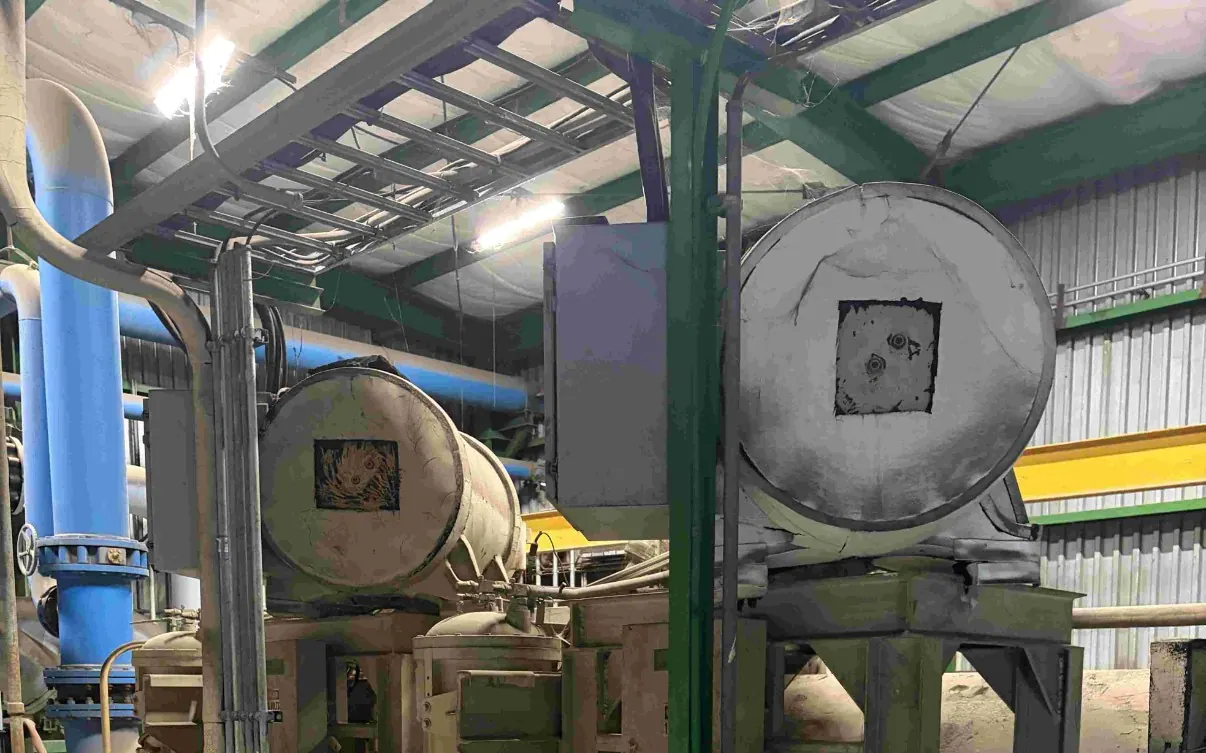
We buy McQuay chillers in San Antonio, Texas, with cash offers and upfront payment when a purchase is agreed. We handle removal, and the seller does not need to test the equipment.
From first photo to final haul, we take care of the details so you can move forward.
Share a nameplate photo, the location, and whatever you know about your equipment. No testing is required from you.
We review the chiller and your site information, then make an offer. Payment is upfront.
We handle disconnects, refrigerant recovery, crane and rigging, loading, freight and hauling.
A McQuay chiller can be worth reviewing whether it is still operating, idle, or no longer running. We buy used industrial and commercial water-cooled and air-cooled units, including centrifugal, screw, and scroll equipment. We consider all refrigerants and generally review machines from 20 to 2,000 or more cooling tons. Brand, tonnage, and operating status help describe the asset; none alone establishes a purchase.
For a San Antonio facility, the practical question is not only what the chiller is, but how it can be removed from its present position and loaded for transport. A machine inside a plant may need to pass through doors, corridors, or a service opening before reaching a staging area. An outdoor unit may have a more direct route, though clearances and nearby equipment can still shape the work. These are details to check at the actual site, not conditions to assume.
Trace the path from the chiller to the truck: its current level, turns, thresholds, overhead clearance, exit opening, and the space available for loading. Note whether the route crosses occupied areas or passes active equipment that must remain in service. If a crane might be needed, the available setup and lift area are relevant too. A cooling ton measures capacity; it does not tell anyone how much the machine weighs or how it must be rigged.
Photos can make that first review more useful. Include the equipment from several angles, its surroundings, the likely removal route, and any visible access limits. If you know about floor-load limits, overhead utilities, restricted hours, security steps, or a required staging area, mention them. The site contact can clarify what is allowed and which approvals or reservations must be arranged before work begins.
A nameplate photo is helpful when available. Make and model, serial number, approximate capacity, refrigerant information, and any known changes to the unit can help identify what is being offered. Add what is known about its condition, history, included components, and whether it remains connected. If records or labels are missing, say so; do not guess at details or run the chiller to fill gaps.
You do not need to test, restart, repair, clean, or disconnect the equipment to begin a review. Idle and non-running chillers can be considered. We also do not ask the seller to open the refrigerant circuit or vent refrigerant. If the current charge or system condition is unknown, identify that plainly so recovery and removal can be planned around the information available.
Tell us which chiller is for sale and what, if anything, is included with it. Connected piping, electrical feeds, controls, pumps, cooling towers, or nearby plant equipment should not be presumed to be part of the sale. Point out services that support other operating equipment, and identify who at the facility is authorized to explain boundaries, approve access, and coordinate any required isolation.
We coordinate the equipment work with that authorized site contact. The buyer arranges appropriate refrigerant recovery with qualified personnel, disconnects, rigging, crane work when needed, loading, freight, and hauling. The actual sequence depends on the equipment and property. The seller or site supplies accurate information, authorized access, applicable site rules, and necessary approvals; the removal plan is agreed for the real conditions before work proceeds.
A cash offer depends on the asset and a review of the proposed project, including its configuration, condition, included components, access, and removal requirements. An inquiry is not a guaranteed offer, and not every chiller will necessarily be purchased. If both sides agree to a purchase, the equipment scope, payment terms, access, and pickup arrangements should be settled before removal. Payment is made upfront before pickup, on the agreed terms.
Timing may matter if a facility is changing buildings, retiring a plant, or clearing space for other work. Share the relevant deadline and any limits on access or working hours, but treat the pickup window as something to coordinate and agree—not an automatic date. A useful first note can be brief: identify the McQuay unit, describe what is known, attach photos, and explain how it sits in relation to the exit and loading area.
Gather the identification you have, a few clear photographs, the equipment’s location within the property, and the name of the person authorized to discuss sale and site access. Include known operating status, refrigerant information, surrounding services that must remain, and any route or schedule constraints. With those details, we can review the chiller and removal scope, ask focused questions, and explain whether a cash offer can be considered. Leave testing, refrigerant handling, disconnects, and lifting arrangements to the agreed project plan.

Air-cooled or water-cooled. Centrifugal, screw or scroll. From single units to large shutdown projects, we buy industrial chillers across Texas.
Send us your chiller details and nameplate photos for a cash offer. Don’t worry if you don’t know every specification—we can start with what you have.
Call or text(614) 715-3047TEXT NAMEPLATE PHOTOS ↗Prefer email?
saleselectricalbuyers@gmail.com