
SEND THE DETAILS
Share a nameplate photo, the location, and whatever you know about your equipment. No testing is required from you.
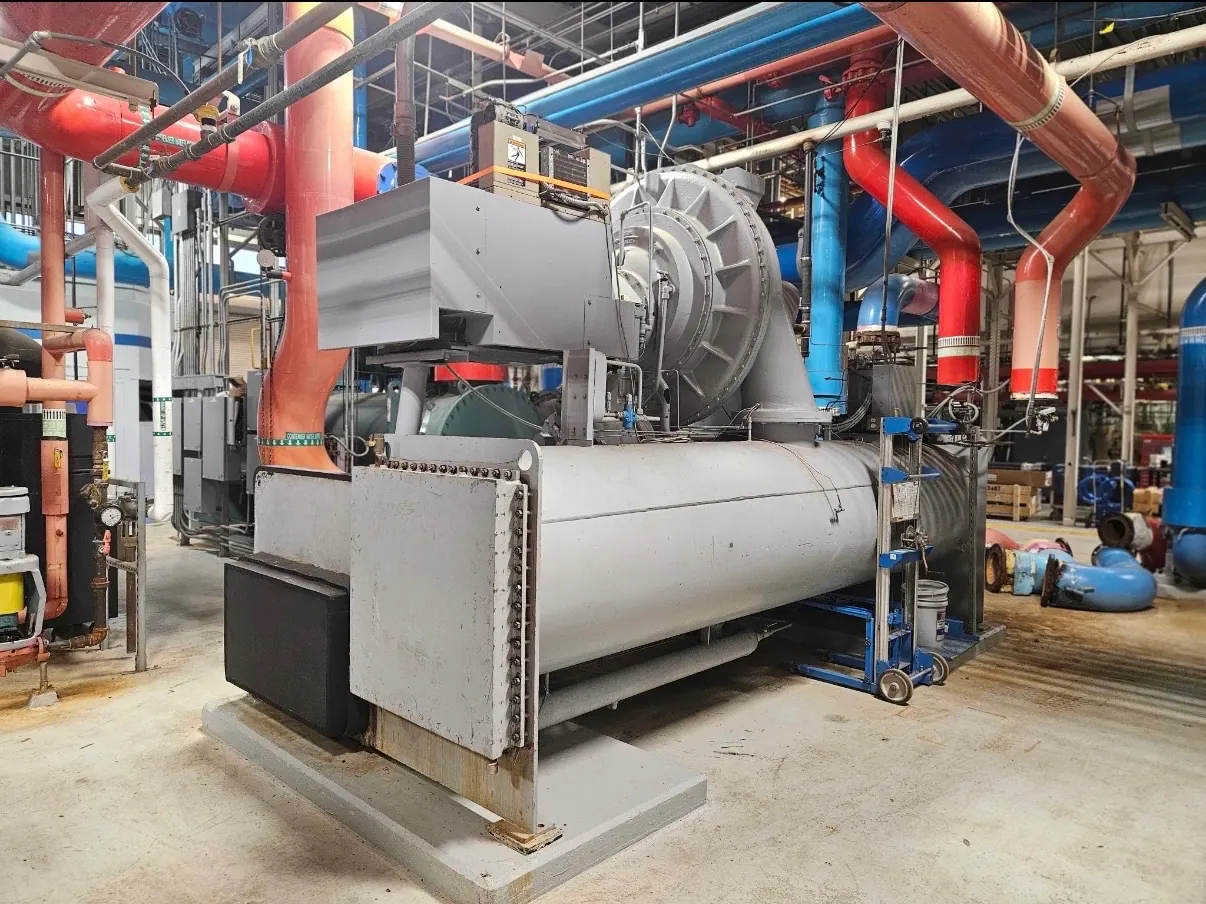
We buy Aaon chillers in Austin, Texas, with cash offers and upfront payment when a purchase is agreed. We handle removal, and the seller does not need to test the equipment.
From first photo to final haul, we take care of the details so you can move forward.
Share a nameplate photo, the location, and whatever you know about your equipment. No testing is required from you.
We review the chiller and your site information, then make an offer. Payment is upfront.
We handle disconnects, refrigerant recovery, crane and rigging, loading, freight and hauling.
Before discussing removal, decide which Aaon chiller you are offering and what should leave with it. A site may have more than one cooling unit, adjacent pumps or controls, shared piping, or loose components stored nearby. Identify the chiller itself and list any accessories or related equipment you want included. Just as important, mark what must remain. A clear scope helps prevent a used machine from being confused with the rest of a plant system.
We buy used industrial and commercial chillers, including Aaon units, and consider water-cooled and air-cooled equipment. Centrifugal, screw, and scroll machines may be reviewed, generally from 20 to 2,000-plus cooling tons. We consider all refrigerants and can review idle or non-running equipment. Those ranges describe the equipment we consider, not a promise that every unit will receive an offer.
Gather what is already available rather than commissioning tests or searching for records that may not exist. A readable nameplate photo, model or serial information, stated capacity, and a few overall pictures can establish a starting point. Include close views of visible damage or missing parts, if any. If the exact refrigerant or capacity is unclear, say so; do not guess or open the refrigerant circuit to find out.
Briefly note where the chiller sits in Austin, whether it is operating, idle, or non-running, and what you know about its history. If it is connected to a building or process system, describe the known connections and which services must stay. We do not require the seller to test, restart, repair, or prove that the machine runs before review.
Removal planning depends on the actual installation. An outdoor unit at grade may present different access needs from a machine on a roof, in a basement, or inside an enclosed mechanical area. Share the available route, doors or gates, stairs or elevators, loading space, and any known limits on work hours or vehicle access. If a crane or special rigging may be needed, photos of the surrounding area can help frame the question; the removal plan is based on site review.
Also flag nearby equipment, occupied areas, production schedules, and replacement work that could affect timing. These details do not need to be turned into a lift plan by the seller. They give the authorized site contact and removal team a basis for coordinating access and protecting equipment or services that are not part of the sale.
The machine’s present charge, refrigerant identification, and condition are not known from its brand alone. Do not vent refrigerant or open the circuit. If a purchase is agreed, we arrange appropriate refrigerant recovery with qualified personnel and coordinate the necessary disconnects with the authorized site contact. The site should identify applicable isolation procedures and clarify where the removal boundary ends so building systems intended to stay are not disturbed.
Seller responsibilities are practical but important: provide accurate information, authorized access, site rules, and the approvals needed for the work. The equipment work—including recovery, disconnects, rigging, crane work when needed, loading, freight, and hauling—is arranged and handled by us within the agreed scope. You are not being asked to hire a separate recovery contractor, crane, or hauler.
A cash offer depends on the equipment and the actual project review, including its known condition, included components, access, and removal requirements. It is not a set amount based only on the Aaon name or nominal cooling capacity. The cooling-ton rating measures capacity; it does not tell you how much the chiller weighs or what equipment will be needed to remove it.
Confirm which unit and accessories are covered, what the site will provide, and how pickup will be coordinated before accepting. If a purchase is agreed, payment is made upfront before pickup, on the terms agreed with the seller. An initial review is not a guarantee of purchase, and the final scope should be clear to the authorized parties before removal begins.
To begin, assemble the identification details and photos you can access, state what is included, and describe the chiller’s location and known condition. Add any timing constraints, access rules, and site-contact requirements that could affect pickup. If a detail is unknown, label it unknown rather than trying to resolve it by operating the unit. That concise overview allows the equipment and proposed removal scope to be reviewed before anyone commits to work at the site.

Air-cooled or water-cooled. Centrifugal, screw or scroll. From single units to large shutdown projects, we buy industrial chillers across Texas.
Send us your chiller details and nameplate photos for a cash offer. Don’t worry if you don’t know every specification—we can start with what you have.
Call or text(614) 715-3047TEXT NAMEPLATE PHOTOS ↗Prefer email?
saleselectricalbuyers@gmail.com