
SEND THE DETAILS
Share a nameplate photo, the location, and whatever you know about your equipment. No testing is required from you.
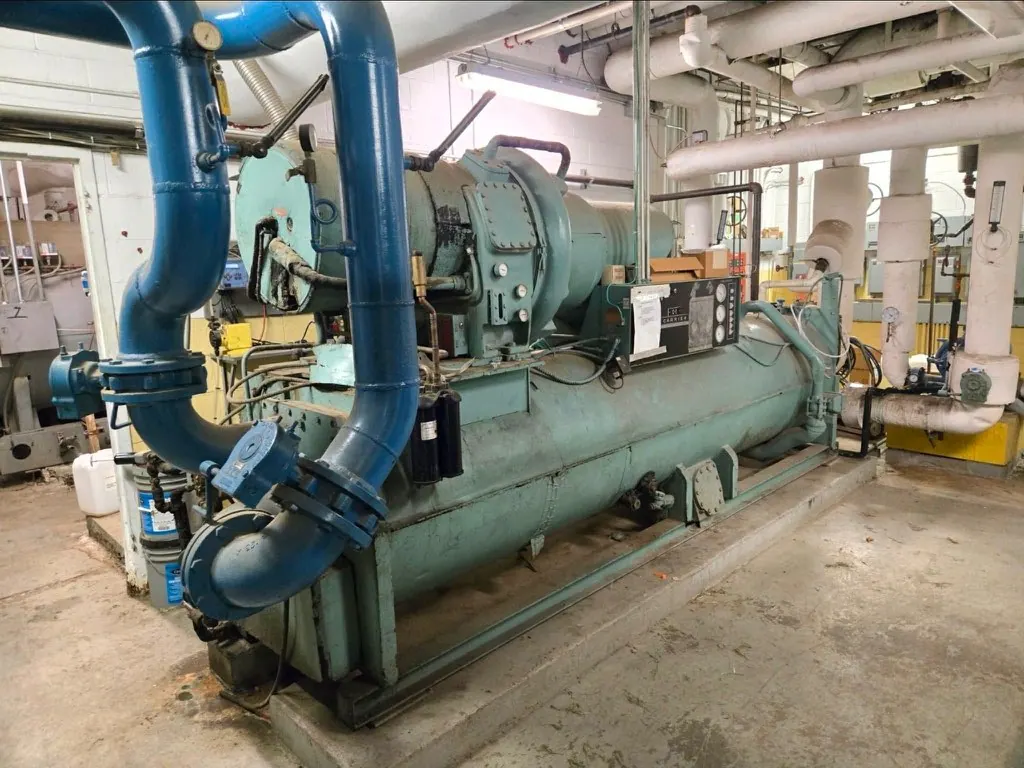
We buy used industrial chillers in Lubbock, Texas, with cash offers and upfront payment when a purchase is agreed. We handle removal, and the seller does not need to test the equipment.
From first photo to final haul, we take care of the details so you can move forward.
Share a nameplate photo, the location, and whatever you know about your equipment. No testing is required from you.
We review the chiller and your site information, then make an offer. Payment is upfront.
We handle disconnects, refrigerant recovery, crane and rigging, loading, freight and hauling.
Selling a chiller is more than identifying a machine and setting a pickup date. Someone must have authority to sell it, someone at the facility must be able to explain access and site rules, and the buyer needs enough detail to review the asset and plan removal. These roles may belong to different people. Bringing them together early helps avoid confusion about what is included and who approves the work.
We buy used water-cooled and air-cooled industrial or commercial chillers, including centrifugal, screw, and scroll equipment. Units may be operating, idle, or non-running; you do not need to test, repair, restart, or open the refrigerant circuit to begin. We consider a broad range of sizes and refrigerants, but any offer depends on review of the specific equipment and project.
Start with what you can verify: clear photographs of the whole unit and its identification plate, the manufacturer and model if readable, capacity if listed, refrigerant markings, and whether the chiller is connected, stored, or still in place. A cooling ton measures capacity, not the machine’s physical weight, so tonnage alone cannot establish what rigging or transport will require.
If labels are damaged or records are incomplete, say so rather than filling gaps with estimates. Note known repairs, missing components, visible damage, or operating history, but do not run equipment simply to improve the description. Current charge, internal condition, and configuration may not be clear until the information is reviewed and the actual scope is assessed.
List the chiller and any accessories you intend to include. If nearby pumps, piping, electrical gear, a second machine, or shared plant equipment are staying, identify them as excluded. In a central cooling plant or an active building, this distinction can matter as much as the model number: removal must apply to the agreed asset, not to whatever happens to be connected beside it.
The authorized seller should be able to confirm ownership or authority to sell and approve the agreed transaction. The site contact can explain work windows, access procedures, required escorts, safety rules, and any approvals that must be in place. If one person fills both roles, make that clear so the handoff has a responsible point of contact.
Useful site information follows the machine all the way to a loading area. Explain whether it sits indoors or outdoors, what openings or turns the route involves, and whether stairs, overhead obstructions, limited staging space, restricted gates, or active operations could affect the move. Photos of the unit, exit path, and possible truck or crane positions can help clarify the layout. These details are for planning; they do not mean a particular lift or access problem exists at your property.
For equipment beside systems that must remain in service, mark the boundary and identify the utilities or neighboring assets that cannot be disturbed. The facility contact should describe any approved work window and isolation process. We coordinate the equipment work around the agreed scope and site requirements; the site supplies accurate information, authorized access, and necessary approvals.
Do not vent refrigerant or open the circuit to prepare the chiller for sale. If a purchase is agreed, we arrange appropriate recovery using qualified personnel and coordinate disconnects, rigging, crane work when needed, loading, freight, and hauling. The actual method depends on the machine, its condition, the route, and the facility’s requirements. A seller does not need to hire a separate recovery or hauling crew for this process.
Removal planning also depends on information that may not be available at first, such as actual equipment weight, clearances, connection details, and the condition of the lifting or loading area. Share what is known and flag what remains unverified. The site contact can then help confirm the safe, approved working area before dates and scope are finalized.
A cash offer is not automatic and cannot be determined from capacity or location alone. We review the identified asset, available condition information, and removal requirements before deciding whether to make an offer. If both sides agree to a purchase, payment is made upfront before pickup, on the agreed terms. Confirm the included equipment, authorization, payment arrangement, and access plan before the crew is scheduled.
To begin, send the identification plate and current photos, the equipment’s location at the facility, what is known about its condition, and a short description of the route out. Include the name or role of the authorized seller and the site contact, plus any known operating limits or approval steps. If records are missing, note that plainly. There is no need to prepare the chiller, perform a test, or arrange removal before the information is reviewed.

Air-cooled or water-cooled. Centrifugal, screw or scroll. From single units to large shutdown projects, we buy industrial chillers across Texas.
Send us your chiller details and nameplate photos for a cash offer. Don’t worry if you don’t know every specification—we can start with what you have.
Call or text(614) 715-3047TEXT NAMEPLATE PHOTOS ↗Prefer email?
saleselectricalbuyers@gmail.com