
SEND THE DETAILS
Share a nameplate photo, the location, and whatever you know about your equipment. No testing is required from you.
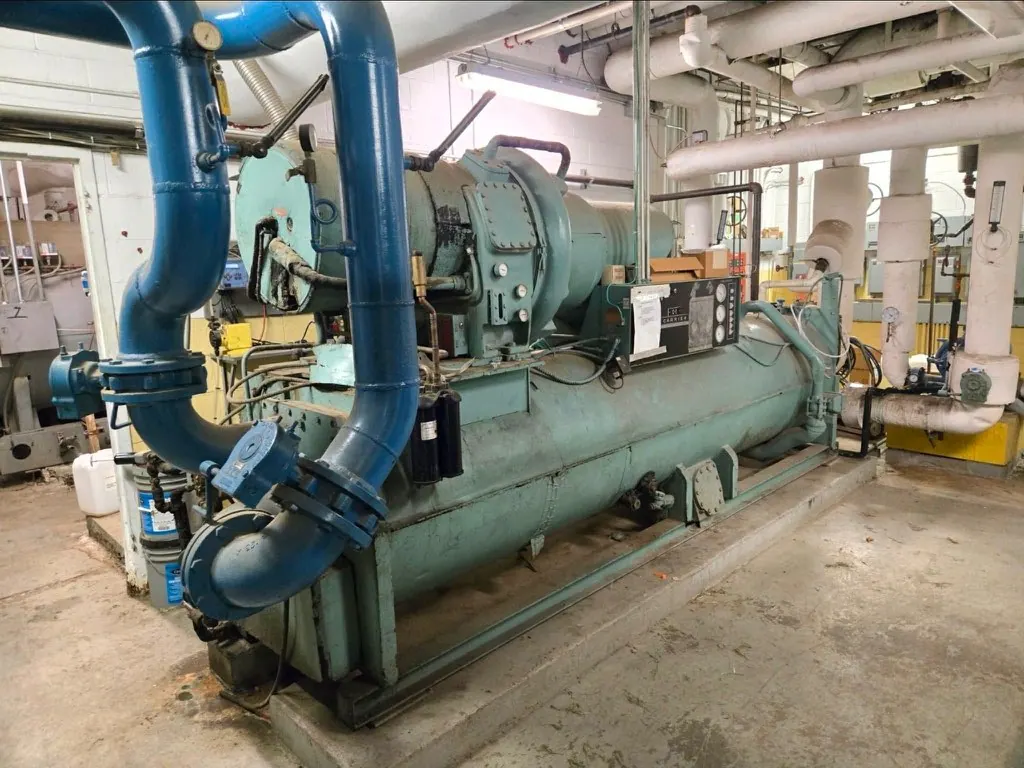
We buy data center chillers in Houston, Texas, with cash offers and upfront payment when a purchase is agreed. We handle removal, and the seller does not need to test the equipment.
From first photo to final haul, we take care of the details so you can move forward.
Share a nameplate photo, the location, and whatever you know about your equipment. No testing is required from you.
We review the chiller and your site information, then make an offer. Payment is upfront.
We handle disconnects, refrigerant recovery, crane and rigging, loading, freight and hauling.
When a data center replaces or retires a chiller, the outgoing unit may sit beside equipment that must continue serving a live cooling load. We buy used data center chillers in Houston, Texas, and review the proposed asset as a specific piece of equipment—not as permission to disturb the rest of the plant. Centrifugal, screw, and scroll chillers are considered, including idle or non-running units. We consider all refrigerants and generally review equipment from 20 to more than 2,000 cooling tons.
A cooling ton measures capacity, not the chiller’s weight. For an initial review, share the nameplate details if readable, the number of units, their general condition, and whether they remain installed or are already in storage. Photos can help show the machine and its surroundings. If a detail is missing, say so; you do not need to test, restart, repair, or open the refrigerant circuit.
Data center projects can involve several decision-makers. The person who can approve the sale may not be the person who controls building access, authorizes work, or sets the operating window. Identify both roles early, along with any owner, asset manager, facilities lead, or contractor whose approval is required. A buyer cannot treat access approval as proof that someone has authority to sell the equipment.
Before pickup is scheduled, the authorized seller and buyer should agree on exactly which chiller and included components are part of the transaction. The site contact can separately confirm where crews may enter, what procedures apply, and which systems or areas are outside the work boundary. This distinction is especially useful when an upgrade is underway and replacement equipment, shared piping, or active cooling systems remain in service.
Removal logistics depend on the machine’s actual location and path out. A chiller might be in a mechanical room, on a roof, in a service yard, or already disconnected; each arrangement can change the access and handling plan. Tell us about doors, corridors, stairs, overhead clearance, floor or roof limits, loading areas, and any known restrictions. Photos of the unit, room, and route are useful when available, but do not enter restricted areas or take risks to collect them.
For an occupied facility, explain the approved work hours, check-in requirements, staging limits, and any routes that must remain clear. If the chiller is near operating equipment, mark the boundary and identify the services that must stay untouched. The authorized site representative helps coordinate these conditions; the removal crew’s plan must reflect the actual site, not an assumed shutdown or unrestricted route.
If a purchase is agreed, we coordinate appropriate refrigerant recovery with qualified personnel, along with disconnects, rigging, crane work when needed, loading, freight, and hauling. The configuration, refrigerant charge, isolation points, and surrounding conditions are not known until reviewed with the seller and site contact. Do not vent refrigerant or open the circuit to identify what is inside. A label or service record can help, but incomplete documentation is better reported as incomplete than guessed.
The buyer is responsible for the equipment work and arranging the removal resources. The seller or site supplies accurate information, authorized access, applicable site rules, and necessary approvals. If a crane or specialized handling appears necessary, the route and staging area still need to be checked against site restrictions before the work date is set.
A cash offer depends on the asset and the actual project review. Capacity alone does not determine an offer: configuration, condition, included components, location, access, and removal requirements may all matter. An offer is not guaranteed, and no amount should be treated as agreed until both parties confirm the purchase terms and equipment scope.
If a purchase is agreed, payment is made upfront before pickup, on the agreed terms. Confirm who can sign or otherwise approve the sale, the payment arrangement, and the pickup conditions before work is scheduled. That gives the sale and site-access teams a clear handoff without asking the facility to prepare the machine for operation.
Gather the information already available: equipment identification, approximate capacity, make and model if known, present condition, location within the facility, and a few safe photos. Note what remains operational nearby, who can authorize the sale, and who can grant access. Include the likely retirement or changeover window if one exists. You can begin with incomplete records and explain what still needs confirmation.
With those details, we can review the chiller and the likely removal scope, then discuss whether to make a cash offer. Do not arrange a test run, recovery, crane, hauler, repair, or restart on our behalf. The next step is simply to provide the information you have and identify the people authorized to approve the transaction and coordinate the site.

Air-cooled or water-cooled. Centrifugal, screw or scroll. From single units to large shutdown projects, we buy industrial chillers across Texas.
Send us your chiller details and nameplate photos for a cash offer. Don’t worry if you don’t know every specification—we can start with what you have.
Call or text(614) 715-3047TEXT NAMEPLATE PHOTOS ↗Prefer email?
saleselectricalbuyers@gmail.com