
SEND THE DETAILS
Share a nameplate photo, the location, and whatever you know about your equipment. No testing is required from you.
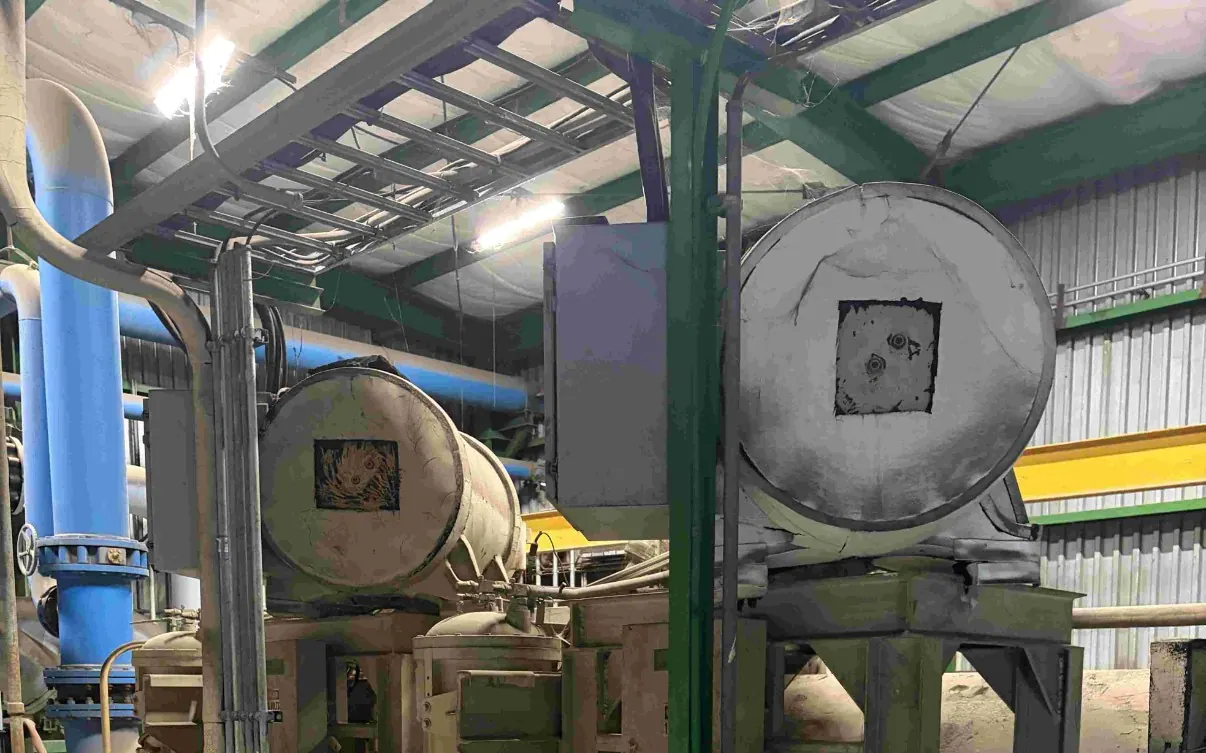
We buy hospital facility chillers in Houston, Texas, with cash offers and upfront payment when a purchase is agreed. We handle removal, and the seller does not need to test the equipment.
From first photo to final haul, we take care of the details so you can move forward.
Share a nameplate photo, the location, and whatever you know about your equipment. No testing is required from you.
We review the chiller and your site information, then make an offer. Payment is upfront.
We handle disconnects, refrigerant recovery, crane and rigging, loading, freight and hauling.
For an initial conversation about a hospital chiller in Houston, gather the information already available rather than preparing the machine for inspection. A clear equipment label, a few photographs, and the name of the person authorized to discuss the asset can establish a useful starting point. If a detail is missing, say so; estimates presented as facts can complicate a later review.
We buy used commercial and industrial chillers, including hospital plant equipment, across a broad range of capacities and refrigerants. Centrifugal, screw, and scroll units are considered, including idle or non-running machines. No test, restart, repair, or refrigerant-circuit work is required from the seller just to begin a discussion.
When it is safe and permitted, photograph the nameplate so the model, serial number, manufacturer, listed capacity, and refrigerant can be read. An overall image helps place the label in context. You can also note whether the unit appears complete, whether components are missing, and any known changes or service history. Do not remove guards or covers, open the refrigerant circuit, or operate the chiller to find information.
If the capacity is listed, share it as the manufacturer states it. A cooling ton measures refrigeration capacity; it does not tell a rigging crew how heavy the machine is. Shipping weight, operating weight, and the weight of accessories may differ. If weight documentation is unavailable, identify that as unknown so handling can be reviewed on its own merits.
Useful condition notes are specific and modest: in service, isolated, stored, incomplete, or not running, if known. Mention any visible damage or alarms you already know about, but do not diagnose a failure from appearance alone. Age, operating history, current refrigerant charge, and internal condition may not be established at the first conversation; we review what is provided rather than treating an assumption as a finding.
Also clarify what is included in the proposed sale. A chiller may be connected to pumps, controls, piping, electrical gear, or other equipment that the facility intends to retain. Identify the asset boundaries as well as you can, especially where shared services or nearby machinery could be mistaken for part of the chiller package.
Tell us where the equipment sits: for example, a mechanical room, a service level, a roof, or an exterior area. Photographs taken from safe, permitted positions can show doorways, corridors, stairs, elevators, gates, overhead obstructions, and the route toward a possible loading point. Note known restrictions on truck access, working hours, floor loading, noise, or protected routes. Hospital sites may have access-control, infection-prevention, or occupied-area procedures; share the rules that apply to this work area.
For equipment below grade or in a confined plant space, the route can matter as much as the destination. Record opening dimensions or structural limits only if the facility already has reliable information. Do not assume an elevator, slab, or loading area can support the equipment. A site review and verified equipment details guide the handling plan; photographs help identify questions but do not replace that review.
If the sale is connected to a replacement or plant shutdown, provide the expected availability window and explain which systems must remain in service. The authorized site contact can describe isolation boundaries, access approvals, contractor procedures, and any sequence constraints. That coordination helps distinguish the chiller being sold from operating equipment and keeps the proposed removal within the agreed work area.
After reviewing the asset and project details, we may discuss a cash offer. An offer depends on the equipment and the actual project review; it is not automatic. If a purchase is agreed, payment is made upfront before pickup under terms confirmed with the seller. Confirm the included equipment, payment arrangement, access, schedule, and approvals before removal is set.
Do not vent refrigerant or open the circuit to prepare for a sale. We arrange appropriate refrigerant recovery with qualified personnel and coordinate the required disconnects, rigging, crane work when needed, loading, freight, and hauling. The removal method depends on the particular chiller, verified weight and lifting points, clearances, route, ground support, and site conditions.
The buyer handles the equipment work within the agreed scope. The seller or site provides accurate information, an authorized contact, access, applicable site rules, and necessary approvals. You do not need to hire a separate recovery contractor, crane company, or hauler for our removal, or test the machine on our behalf.
Gather the readable nameplate, safe overview photos, known condition, location and access notes, what equipment is included, and a likely availability window. Send what you have through the available inquiry channel, flag unknowns, and identify the authorized facility contact. That gives the equipment and removal scope a practical first review without asking hospital staff to disturb the chiller or interrupt systems that remain in service.

Air-cooled or water-cooled. Centrifugal, screw or scroll. From single units to large shutdown projects, we buy industrial chillers across Texas.
Send us your chiller details and nameplate photos for a cash offer. Don’t worry if you don’t know every specification—we can start with what you have.
Call or text(614) 715-3047TEXT NAMEPLATE PHOTOS ↗Prefer email?
saleselectricalbuyers@gmail.com