
SEND THE DETAILS
Share a nameplate photo, the location, and whatever you know about your equipment. No testing is required from you.
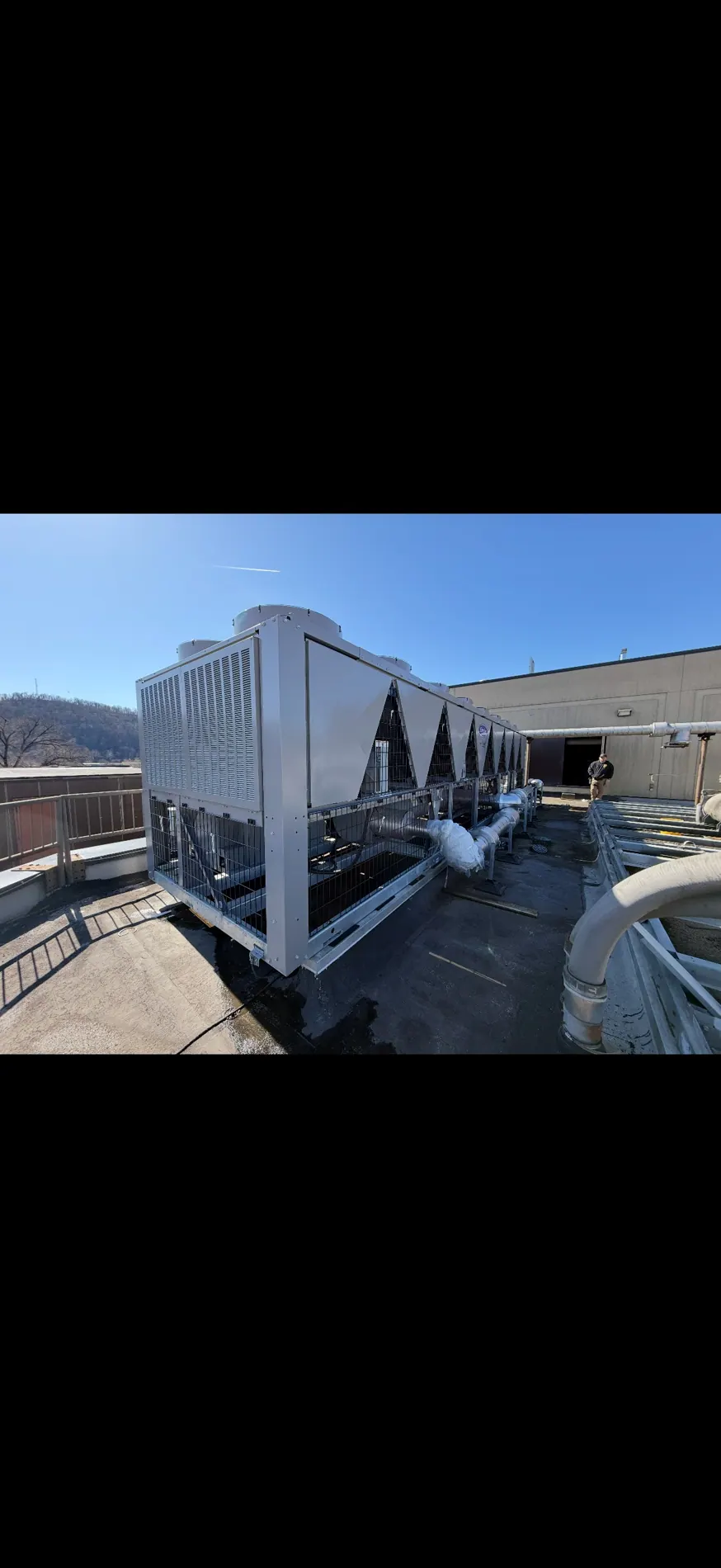
We buy Carrier chillers in Texas for projects involving decommissioning. We offer upfront payment, handle removal, and do not require seller testing.
From first photo to final haul, we take care of the details so you can move forward.
Share a nameplate photo, the location, and whatever you know about your equipment. No testing is required from you.
We review the chiller and your site information, then make an offer. Payment is upfront.
We handle disconnects, refrigerant recovery, crane and rigging, loading, freight and hauling.
When a Carrier chiller is being retired in Texas, the first useful handoff is a clear account of what is being offered and who can authorize access. The name on the casing identifies the manufacturer, but it does not establish the unit’s present configuration, condition, refrigerant charge, or removal route. Share what is known, and mark uncertain details as uncertain rather than trying to fill gaps by guesswork.
A readable equipment nameplate is a good starting point. If safely accessible, photographs of the compressor and control labels can help distinguish the main unit from associated equipment. Include the model and serial information, approximate cooling capacity if shown, and whether the chiller is operating, idle, or known not to run. No test, restart, repair, or cleaning is required to begin a review.
Decommissioning projects can involve more than one machine or system. Identify which Carrier chiller is offered and whether pumps, piping, cooling-tower components, controls, or other nearby assets are included or remain with the facility. A simple list or labeled photograph can prevent confusion later, especially where several units sit in the same plant room or serve connected systems.
We consider water-cooled and air-cooled chillers, including centrifugal, screw, and scroll equipment, generally from 20 to more than 2,000 cooling tons, and consider all refrigerants. A cooling ton describes capacity; it does not tell a crew how much the machine weighs. Actual dimensions, construction, configuration, and access conditions need separate review. Equipment that is idle or non-running can still be considered, though any offer depends on the asset and project review.
For a Texas site, the pickup plan should reflect the actual facility rather than a presumed layout. Send a wide view of the chiller in place, then images of the route toward a loading position. Door and corridor widths, ceiling height, floor transitions, columns, overhead services, exterior turning room, and truck access may matter. Measurements are useful when available; do not enter restricted or unsafe areas to obtain them.
If the unit is on a roof, inside a mechanical room, or behind active plant equipment, say so and describe any known constraints. A crane may be needed at one site, while another may have a ground-level route; neither should be assumed before the equipment and surroundings are reviewed. Note shared docks, access windows, occupied areas, or systems that must remain in service if they affect when or how removal can occur.
The seller’s authorized site contact is central to a smooth handoff. That person can confirm what is being sold, explain facility rules, arrange approved access, identify work-hour limits, and secure any required site approvals. The contact can also flag nearby equipment or operations that must be protected. The buyer coordinates the equipment work; the site supplies accurate information and the permissions needed for the agreed work to proceed.
Where a facility is occupied, access may need to be separated from staff, visitors, deliveries, or active production. Share relevant restrictions before a pickup date is set. This is not a request for the site to design the rigging plan or hire its own crane, recovery contractor, or hauler. It is a way to make sure the removal team understands the boundaries it must work within.
Tell us what the labels or available service records say about refrigerant, and disclose any uncertainty or known changes. A label may not confirm what is currently in a system if components or refrigerant have changed. We arrange and handle appropriate recovery with qualified personnel as part of the removal scope. Do not vent refrigerant, open the circuit, or attempt to empty the chiller to prepare it for review.
We also coordinate the necessary disconnects, rigging, crane work when needed, loading, freight, and hauling. The sequence depends on the machine and the verified site conditions. The seller does not need to perform a test run or arrange separate removal labor; the authorized contact should provide access, site rules, and approvals so the work can be coordinated responsibly.
A cash offer is considered after the asset and actual project scope are reviewed; it is not automatic or guaranteed. Condition, included components, available identification, and removal constraints can all affect whether a purchase is agreed. If both sides agree to proceed, payment is made upfront before pickup on the agreed terms. Confirm the equipment boundary, payment terms, access plan, and timing with the authorized parties before work begins.
To start, gather the nameplate and label photos, a few views of the machine and its removal route, the known operating status, and a short list of what is included. Add the Texas facility’s access limits and the name or role of the person authorized to coordinate the site. Send the information for review, noting unanswered questions plainly. There is no need to restart the chiller, repair it, disconnect it, or handle refrigerant before the discussion.

Air-cooled or water-cooled. Centrifugal, screw or scroll. From single units to large shutdown projects, we buy industrial chillers across Texas.
Send us your chiller details and nameplate photos for a cash offer. Don’t worry if you don’t know every specification—we can start with what you have.
Call or text(614) 715-3047TEXT NAMEPLATE PHOTOS ↗Prefer email?
saleselectricalbuyers@gmail.com