
SEND THE DETAILS
Share a nameplate photo, the location, and whatever you know about your equipment. No testing is required from you.
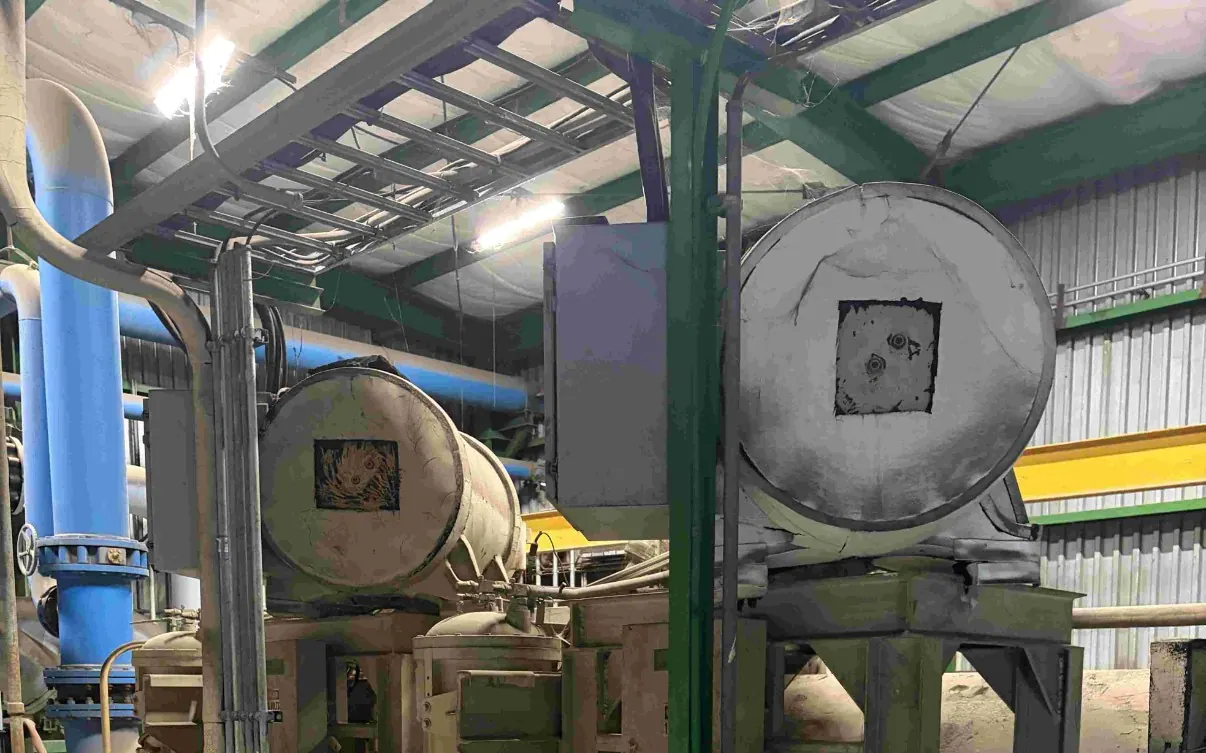
We buy 100 to 249 ton chillers in Dallas, Texas, with cash offers and upfront payment when a purchase is agreed. We handle removal, and the seller does not need to test the equipment.
From first photo to final haul, we take care of the details so you can move forward.
Share a nameplate photo, the location, and whatever you know about your equipment. No testing is required from you.
We review the chiller and your site information, then make an offer. Payment is upfront.
We handle disconnects, refrigerant recovery, crane and rigging, loading, freight and hauling.
A 100-to-249-ton chiller can be a useful sale candidate whether it is being replaced, held as standby equipment, or left idle after a process change. We buy used water-cooled and air-cooled chillers in this capacity range, including centrifugal, screw, and scroll units, and consider all refrigerants. A unit need not be running to be considered.
Value review begins with identifying what is actually offered and understanding the work needed to remove it. Capacity, manufacturer and model, age if known, condition, refrigerant information, and included components can help distinguish one asset from another. The removal review also matters: the machine’s position, route out, lifting needs, and site restrictions may affect the scope. After reviewing the available information and project, we can discuss a cash offer; an offer is not guaranteed and depends on the specific equipment and agreed work.
The stated tonnage measures cooling capacity, not the chiller’s weight or dimensions. It is helpful for identifying the unit, but it cannot establish what lifting equipment, floor capacity, or transport arrangement will be appropriate. If available, share the nameplate details and manufacturer documentation rather than estimating physical weight from tonnage.
Useful photos show the complete chiller, its identification plate, and the surrounding working area from safe positions. Include views of the route toward the loading point where practical. Mention known damage, missing components, modifications, or uncertainty about the refrigerant charge. There is no need to operate the machine, open a refrigerant circuit, or disturb connections to gather this information.
For a water-cooled chiller, note whether associated pumps, piping, a cooling tower, or other equipment are part of the proposed sale or must remain. Their presence alone does not mean they are included. Clarify the boundary of the offer so the removal plan accounts for the chiller without assuming that connected systems can be taken out.
With an air-cooled unit, the location of the equipment and the path for lifting or moving it may be especially relevant. Rooftop placement, restricted yard access, nearby structures, or limited clearance could affect the approach, depending on the actual property. These details are for planning; they do not require the seller to arrange a crane or move the unit.
In Dallas, the useful location details are the chiller’s position and how removal crews and equipment can reach it. A plant-room unit, a rooftop installation, and an outdoor installation may require different arrangements. Describe the route to the exit or loading area, including known door or corridor limits, changes in level, overhead obstructions, and available vehicle access. If measurements or drawings are available, they can help clarify the route.
Share the expected retirement window and any site rules that govern access, work hours, escorts, permits, or safety orientation. Identify the authorized site contact and explain which neighboring equipment or systems must remain in service. We coordinate the agreed equipment work with that contact; the site supplies accurate information, authorized access, and required approvals.
Refrigerant handling depends on the actual system and its condition. We arrange and handle appropriate recovery with qualified personnel as part of the agreed work. Do not vent refrigerant or open the circuit to prepare the chiller for review. If the current charge or refrigerant type is unknown, say so rather than guessing.
When a purchase is agreed, we handle the equipment-side disconnects, rigging, crane work when needed, loading, freight, and hauling, coordinated with the authorized site contact. The actual sequence depends on the machine and site. Sellers do not need to test, run, repair, restart, disconnect, or hire a separate recovery contractor or hauler for our work.
A chiller may sit within a wider replacement or decommissioning project, but the purchase review concerns the identified assets and removal scope agreed with the seller. List what is included and what remains. If production, building services, or adjacent equipment must stay operational, identify the limits before work is scheduled. That helps prevent an unclear handoff without assuming the surrounding project is part of the sale.
Gather whatever information is already available: nameplate or model details, water-cooled or air-cooled configuration, known condition, refrigerant information, photos, equipment location, included components, and access or schedule constraints. Do not delay because records are incomplete or the chiller is non-running. Share what is known and clearly mark what remains uncertain.
The next step is to provide those details for an equipment and project review. If the buyer and seller agree on a purchase, the terms and removal scope are confirmed in advance, with payment made upfront before pickup on the agreed terms. Until then, no price or purchase should be treated as assured.

Air-cooled or water-cooled. Centrifugal, screw or scroll. From single units to large shutdown projects, we buy industrial chillers across Texas.
Send us your chiller details and nameplate photos for a cash offer. Don’t worry if you don’t know every specification—we can start with what you have.
Call or text(614) 715-3047TEXT NAMEPLATE PHOTOS ↗Prefer email?
saleselectricalbuyers@gmail.com