
SEND THE DETAILS
Share a nameplate photo, the location, and whatever you know about your equipment. No testing is required from you.
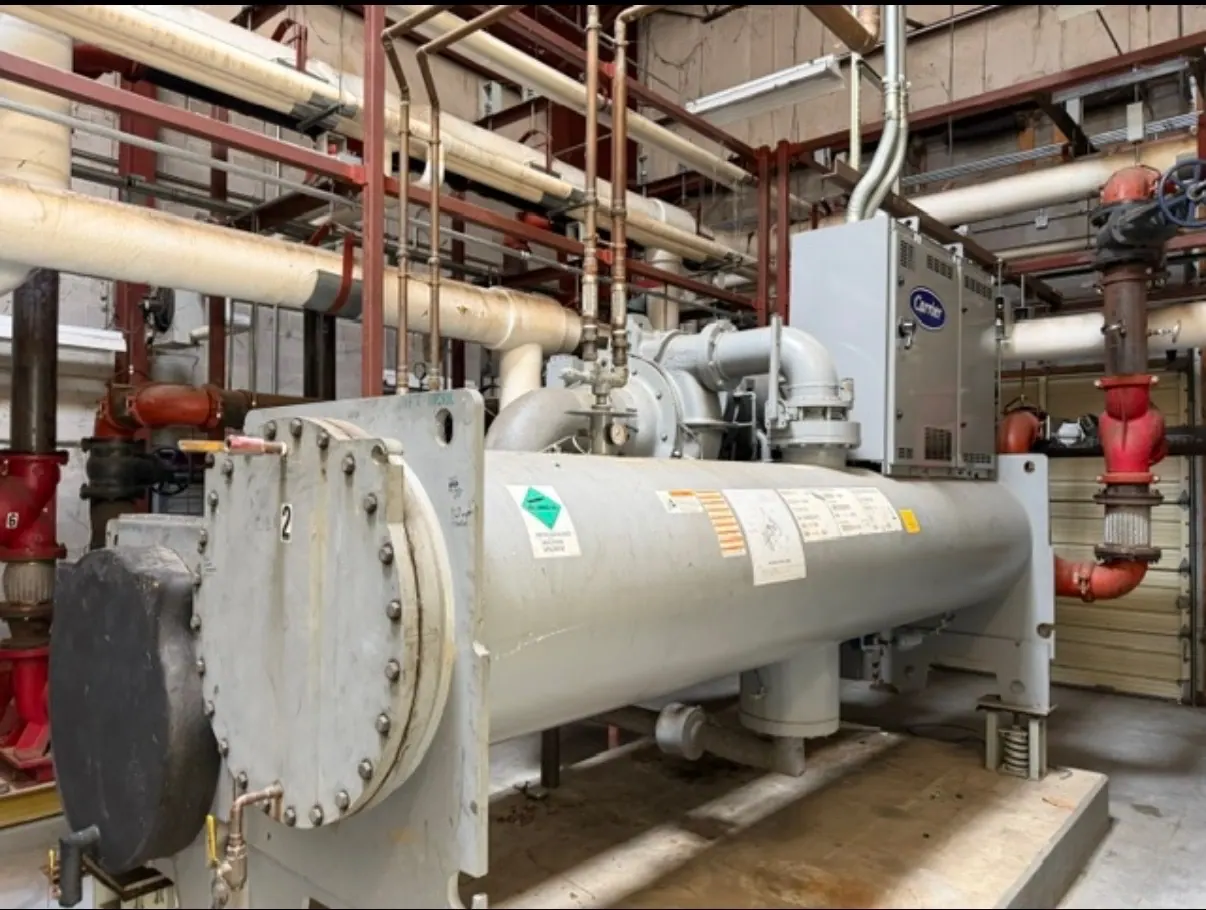
We buy Smardt chillers in Fort Worth, Texas, with cash offers and upfront payment when a purchase is agreed. We handle removal, and the seller does not need to test the equipment.
From first photo to final haul, we take care of the details so you can move forward.
Share a nameplate photo, the location, and whatever you know about your equipment. No testing is required from you.
We review the chiller and your site information, then make an offer. Payment is upfront.
We handle disconnects, refrigerant recovery, crane and rigging, loading, freight and hauling.
A useful review starts with the specific Smardt chiller and the work required to collect it—not a capacity figure alone. We consider used industrial and commercial water-cooled and air-cooled chillers, including Smardt equipment, across a broad range of sizes and refrigerants. Idle and non-running units can be considered; you do not need to restart or test yours.
To begin, share the model or nameplate details if readable, approximate cooling capacity if known, current status, and what equipment is included. Photos of the unit and its installation help clarify the scope. Service history, refrigerant information, and modification records are useful when available, but don’t guess at missing details or open the refrigerant circuit. A cooling ton describes capacity, not the chiller’s weight.
The offer depends on review of the actual asset and project. Condition, completeness, removal access, handling requirements, and freight all inform the assessment; a brand or nominal tonnage does not establish a price by itself. We can discuss a cash offer after reviewing the information, but an offer is not guaranteed. If a purchase is agreed, payment is made upfront before pickup under the agreed terms.
Smardt chillers may sit within a larger cooling system. Tell us whether the proposed sale includes attached or nearby controls, pumps, piping, or other accessories, and identify anything that must remain. A few photos showing the machine, its connections, and adjacent equipment can help both parties discuss the same scope. Unknown configuration is fine to report as unknown.
Also note whether the equipment is indoors or outdoors, whether it is connected to utilities, and whether other systems need to remain in service. These details do not establish a standard removal method; they help the team assess disconnects, work boundaries, and coordination with the authorized facility contact.
For a Fort Worth pickup, explain the actual route from the chiller to the loading area. Relevant details may include door or corridor clearances, stairs or level changes, overhead obstructions, truck approach, staging room, and any restricted work hours. An indoor unit may present different handling questions from equipment already accessible outside, so the plan must fit the installation rather than assume a particular building layout.
If the chiller is in an operating facility, identify occupied areas, production or building services that cannot be interrupted, and the person authorized to coordinate access. Site rules, work permits, lockout boundaries, and scheduling approvals remain specific to the property. The buyer handles equipment-side removal work; the seller or site contact supplies accurate information, authorized access, applicable rules, and necessary approvals.
Handling equipment is selected after the actual route and lift conditions are understood. The installation may call for rigging, a crane, or another suitable approach; weight, lifting points, clearances, ground conditions, and the approved path matter. Share known constraints, but don’t estimate the machine’s weight from its cooling tons. We arrange and handle appropriate rigging and crane work when needed, along with loading, freight, and hauling.
Refrigerant type and charge may be unclear until the equipment information is reviewed. A legible label, if available, can help identify the system, but do not vent refrigerant or open the circuit. We arrange appropriate refrigerant recovery with qualified personnel and coordinate the necessary disconnects as part of an agreed removal scope.
Before work begins, the authorized site contact helps establish what can be isolated and what must stay connected or operational. This matters when controls, utilities, or nearby machines serve equipment outside the sale. The removal crew’s work can then be planned around the confirmed boundary instead of treating the whole plant as available.
A chiller does not have to be operating for consideration. If it is idle, incomplete, modified, or has an unknown service history, describe what you know and what you cannot confirm. You do not need to test, repair, clean, or restart it to request a review. Clear photos and a candid account of visible issues are more helpful than an unsupported condition claim.
Likewise, incomplete paperwork need not stop an initial discussion. Share available identification and records, then flag gaps. The equipment’s actual configuration and condition are confirmed through the information and project review; no purchase is assumed until scope and terms are agreed.
To make the initial review more practical, gather what is safely accessible:
Send only information you can verify, and label uncertainties plainly. Once the chiller and removal scope have been reviewed, the next step is to discuss whether a purchase can be agreed and confirm payment and pickup terms before collection. You do not need to arrange recovery, disconnects, a crane, or hauling yourself.

Air-cooled or water-cooled. Centrifugal, screw or scroll. From single units to large shutdown projects, we buy industrial chillers across Texas.
Send us your chiller details and nameplate photos for a cash offer. Don’t worry if you don’t know every specification—we can start with what you have.
Call or text(614) 715-3047TEXT NAMEPLATE PHOTOS ↗Prefer email?
saleselectricalbuyers@gmail.com