
SEND THE DETAILS
Share a nameplate photo, the location, and whatever you know about your equipment. No testing is required from you.
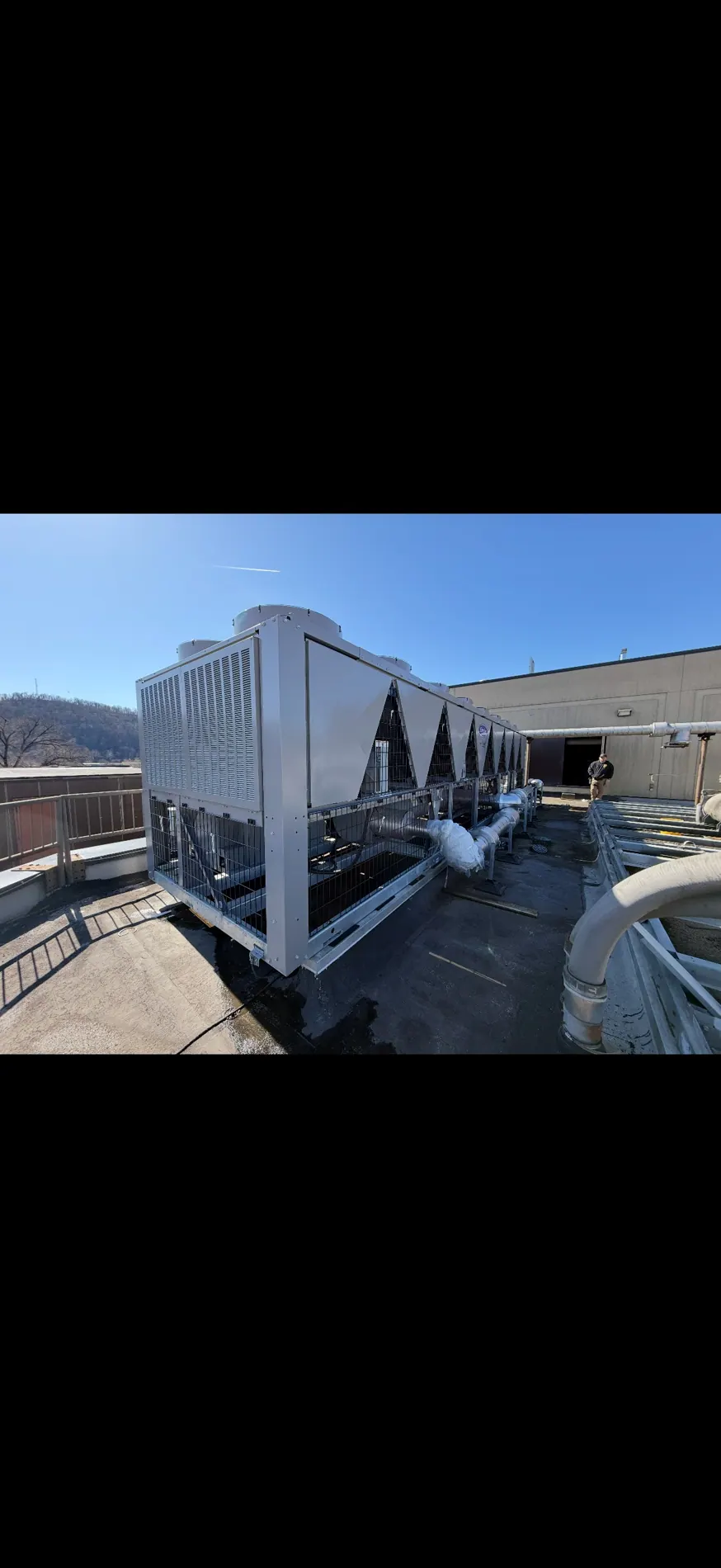
We buy Multistack chillers in Texas for projects involving surplus equipment. We offer upfront payment, handle removal, and do not require seller testing.
From first photo to final haul, we take care of the details so you can move forward.
Share a nameplate photo, the location, and whatever you know about your equipment. No testing is required from you.
We review the chiller and your site information, then make an offer. Payment is upfront.
We handle disconnects, refrigerant recovery, crane and rigging, loading, freight and hauling.
Multistack equipment can be presented as a complete chiller, several connected modules, or a portion of a larger installation. Make clear which pieces you want to sell and which controls, pumps, piping, or other components should remain on site. A buyer needs to understand the sale boundary before assessing value or planning removal; a wide photograph can show context, but it cannot settle that boundary by itself.
We buy used industrial and commercial chillers, including Multistack units, and consider surplus, idle, and non-running equipment. The equipment may be water-cooled or air-cooled, and all refrigerants are considered. A purchase is subject to review of the actual asset and project, so a brand name alone does not establish whether an offer will be made.
Photographs help show physical layout and visible condition. Labels help identify the machine and its components. Route information helps assess whether removal can be carried out at the site. Sending all three together gives a more useful first review than relying on a single nameplate image or a general description.
Begin with a view that shows the entire chiller and its surroundings, then take closer images of each identifiable module, control panel, and nameplate. Photograph labels straight on, in focus, and with enough light to read them. If a label is damaged, partly hidden, or absent, say so rather than guessing. A model or serial number can help distinguish similar-looking sections and clarify what is included.
Describe what is known: whether the unit is operating, idle, incomplete, disconnected, or of uncertain condition; when it was last used, if that information is available; and whether service records or an equipment list exist. Note visible damage or missing parts without trying to diagnose the refrigeration system. You do not need to test, run, repair, restart, or clean the chiller for review. Do not vent refrigerant or open the circuit; share any refrigerant markings or service information you already have.
Capacity is useful when it can be read from a reliable record or nameplate, but cooling tons measure performance capacity, not shipping weight. Avoid estimating a lift from the rating. If actual dimensions or weight are documented, include the source; otherwise, identify them as unknown. Photographs support identification and condition review, but do not verify weight or establish a safe lifting method.
For removal planning, follow the route from the machine to a possible loading position. Photos should show doorways, corridors, stairs or ramps, overhead obstructions, turns, floor transitions, nearby equipment, and the outdoor approach where relevant. Include a wider view for orientation and close views of tight points. Measurements, known floor or structural limits, and loading restrictions can be helpful, but do not remove guards or enter restricted areas to obtain them.
A basement, rooftop, plant room, shared service corridor, or active production area may affect the approach if the equipment is located there. Access hours, security procedures, occupied spaces, utility clearances, or a narrow staging area may also matter, depending on the facility. Describe the actual constraints you know rather than assuming a particular rigging method. The authorized site contact should identify property rules, approvals, access arrangements, and any areas the crew must avoid.
If a purchase is agreed, removal is coordinated with the authorized site representative. We arrange appropriate refrigerant recovery with qualified personnel and handle the equipment work, including disconnects, rigging, crane work when needed, loading, freight, and hauling. The handling plan depends on the verified equipment and site conditions. The seller or site does not need to hire a recovery contractor, crane, or hauler, or perform the disconnects.
Before pickup, confirm which Multistack sections and associated items are included, which remain, who can authorize access, and what site rules apply. If utilities may still be connected or the refrigerant charge is uncertain, report that clearly so the work can be coordinated. Do not assume an adjacent pump, piping run, or electrical gear is part of the sale unless it is expressly included.
A cash offer depends on the equipment and actual project review. Identification, known condition, included components, capacity, access, and removal requirements may all affect the assessment; no offer is guaranteed. If we agree to buy the chiller, payment is made upfront before pickup on the agreed terms. Confirm those terms and the equipment scope with the authorized seller before removal is scheduled.
To begin, gather readable label photos, overall and detail views, a short condition summary, an inclusion list, and images or notes showing the route to the loading area. Send what is available and mark unanswered details as unknown. That gives us a practical basis to review the Multistack surplus equipment and discuss whether a purchase and coordinated removal make sense.

Air-cooled or water-cooled. Centrifugal, screw or scroll. From single units to large shutdown projects, we buy industrial chillers across Texas.
Send us your chiller details and nameplate photos for a cash offer. Don’t worry if you don’t know every specification—we can start with what you have.
Call or text(614) 715-3047TEXT NAMEPLATE PHOTOS ↗Prefer email?
saleselectricalbuyers@gmail.com