
SEND THE DETAILS
Share a nameplate photo, the location, and whatever you know about your equipment. No testing is required from you.
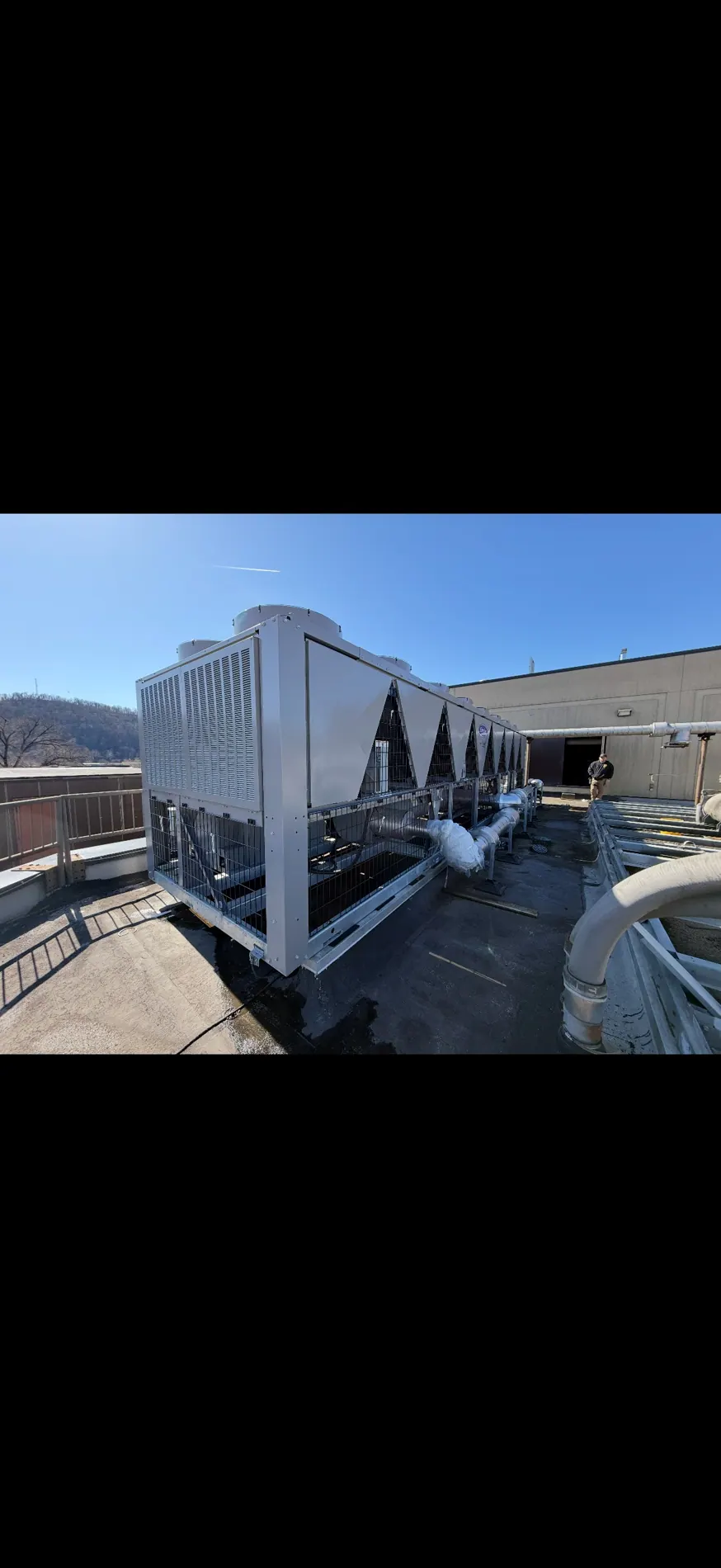
We buy McQuay chillers in Texas for projects involving decommissioning. We offer upfront payment, handle removal, and do not require seller testing.
From first photo to final haul, we take care of the details so you can move forward.
Share a nameplate photo, the location, and whatever you know about your equipment. No testing is required from you.
We review the chiller and your site information, then make an offer. Payment is upfront.
We handle disconnects, refrigerant recovery, crane and rigging, loading, freight and hauling.
Retiring a McQuay chiller is not only a question of whether the machine can be sold. The handoff also needs to respect the cooling equipment, utilities, access routes, and work areas that will remain in service. Before requesting a review, identify the specific chiller and explain what must stay untouched. That gives the buyer and your site contact a common boundary for discussing value and removal.
We buy used McQuay water-cooled and air-cooled chillers in Texas, including units that are idle or not running. The manufacturer name helps identify the equipment, but it does not establish its model, configuration, condition, refrigerant, or resale value. Those details need to come from the machine and the information available to you.
Share a clear photo of the nameplate if it is safely accessible, along with wider views of the chiller and its surroundings. Include the model, serial number, capacity, and refrigerant only when they are known or readable. Existing records, such as equipment schedules or maintenance documents, can help fill gaps. If the plate is damaged or the records are incomplete, say so rather than guessing.
Cooling capacity is measured in tons; it is not the machine’s weight. Do not use tonnage to estimate what a crane, doorway, floor, or truck must handle. We consider industrial and commercial chillers generally from 20 to 2,000+ cooling tons, as well as different refrigerants, but a particular unit remains subject to review.
Chillers may sit beside pumps, control panels, piping, cooling towers, or other equipment that the facility needs to retain. State whether any associated items are included or excluded, and mark the proposed asset in photographs where practical. Note known modifications or missing components, too. This prevents the purchase discussion from quietly expanding to equipment that was never intended to leave.
It is useful to describe what you know about operating history and present condition, including whether the unit is running, disconnected, stored, or of uncertain status. Testing, restarting, cleaning, and repairs are not prerequisites for submitting information. Do not open the refrigerant circuit or vent refrigerant to identify the chiller.
Removal planning depends on the actual path from the installed position to a loading area. Tell us whether the chiller is indoors, outdoors, elevated, or behind controlled access, if known. Photographs can show doorways, overhead obstructions, narrow turns, nearby live equipment, and possible staging areas. A site contact can confirm dimensions or restrictions when those details are available.
There may be constraints such as limited work windows, security procedures, escort requirements, occupied areas, roof access, floor-loading limits, or a route shared with other operations. Mention only what applies, but include any known approval process and the person authorized to coordinate it. A pickup plan can then be reviewed against the facility’s real conditions rather than an assumed layout or schedule.
If a purchase is agreed, we coordinate and handle appropriate refrigerant recovery with qualified personnel, along with equipment disconnects, rigging, crane work when needed, loading, freight, and hauling. The work is planned around the unit and the site’s procedures; not every chiller needs the same equipment or sequence. You do not need to hire a recovery contractor, crane, or hauler for us.
The seller or site provides accurate information, authorized access, applicable site rules, and necessary approvals. The authorized facility contact should clarify isolation requirements and identify systems that must remain in operation. Do not assume adjacent utilities can be disconnected simply because the chiller is being retired. Responsibility for the equipment work rests with the buyer, coordinated with the site contact.
A cash offer depends on the specific asset and review of the available information, condition, included components, and removal requirements. Sharing photos and records can start that review, but does not guarantee an offer or a purchase. If both parties agree to proceed, the equipment included, access arrangements, work scope, payment, and pickup terms are confirmed. Payment is made upfront before pickup on the agreed terms.
To begin, gather the McQuay identification you can safely access, current photographs, known condition, refrigerant information if documented, and a short description of what is included. Add the equipment location within the facility, anticipated retirement timing, route restrictions, and the authorized site contact. Send what you have; unknown details can be identified as unknown. There is no need to run the machine or alter it to prepare for review.

Air-cooled or water-cooled. Centrifugal, screw or scroll. From single units to large shutdown projects, we buy industrial chillers across Texas.
Send us your chiller details and nameplate photos for a cash offer. Don’t worry if you don’t know every specification—we can start with what you have.
Call or text(614) 715-3047TEXT NAMEPLATE PHOTOS ↗Prefer email?
saleselectricalbuyers@gmail.com