
SEND THE DETAILS
Share a nameplate photo, the location, and whatever you know about your equipment. No testing is required from you.
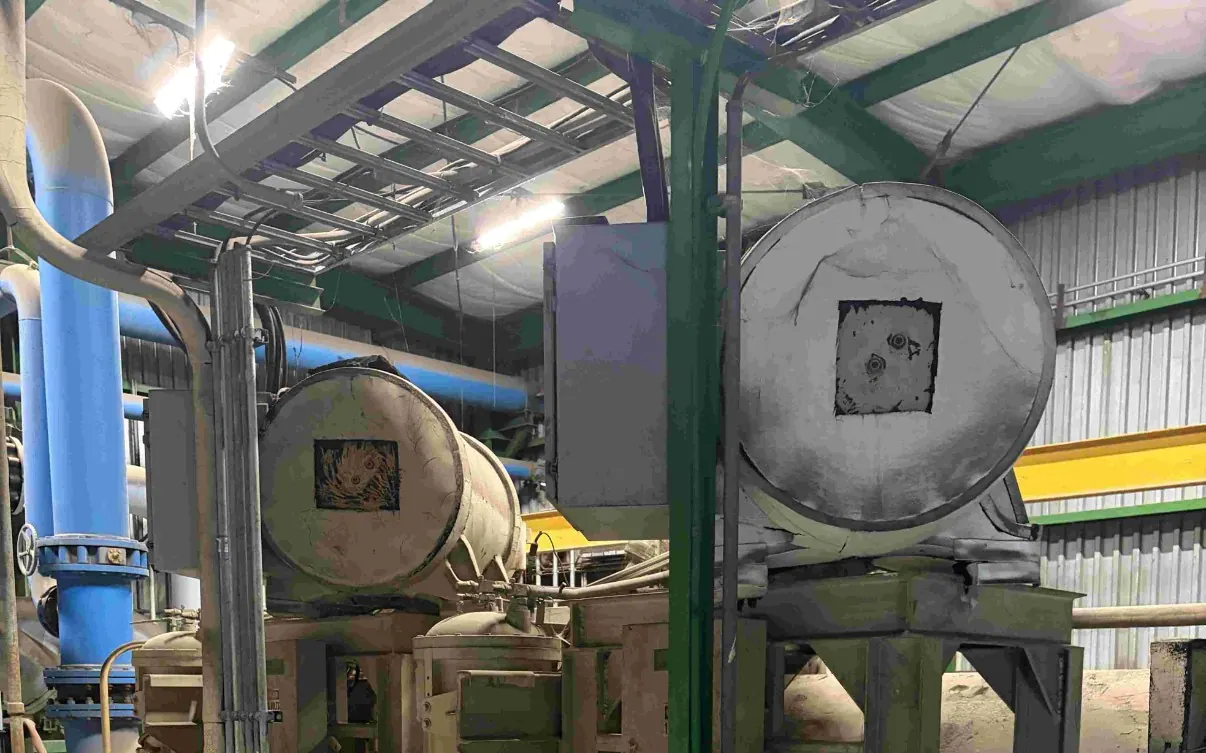
We buy district cooling plant chillers in Midland, Texas, with cash offers and upfront payment when a purchase is agreed. We handle removal, and the seller does not need to test the equipment.
From first photo to final haul, we take care of the details so you can move forward.
Share a nameplate photo, the location, and whatever you know about your equipment. No testing is required from you.
We review the chiller and your site information, then make an offer. Payment is upfront.
We handle disconnects, refrigerant recovery, crane and rigging, loading, freight and hauling.
In a district cooling plant, a chiller can be one part of a larger operating system. Before discussing removal, clarify which machine is being offered and what belongs with it. Pumps, piping, controls, electrical gear, spare parts, and neighboring chillers should not be treated as included unless the seller identifies them as part of the sale.
That distinction matters when equipment shares utilities or sits near units that will remain in service. An authorized seller can identify the asset and the person responsible for access and operating limits. If ownership or sale authority is still being confirmed, resolve that before setting a pickup plan.
Start with information already available: the manufacturer and model, serial or nameplate details, approximate capacity, refrigerant if known, and a straightforward account of condition. Include clear photos of the whole machine, its identification plate, and the surrounding area. Do not guess at missing specifications; mark them as unknown.
It also helps to describe whether the chiller is installed, stored, disconnected, idle, or known not to run. We consider non-running equipment, and the seller does not need to test, restart, repair, or clean the unit to request a review. A cooling-ton rating describes capacity, not shipping weight, so it cannot establish lifting requirements.
For a Midland plant, the useful details are specific to the actual location, not a presumed layout. The authorized site contact can explain check-in, safety procedures, approved work hours, traffic restrictions, and which areas must remain accessible. If the facility is occupied, identify the routes and services that cannot be blocked or interrupted.
Photographs of the likely exit and loading route can reveal questions worth resolving early: narrow openings, stairs, overhead obstructions, limited staging space, or distance to a truck-accessible area. These may affect the work plan, but their significance depends on the machine and the verified site conditions. Share available drawings or measurements if you have them; do not rely on a photo to establish structural capacity.
A district plant may have equipment that must keep running while one chiller is taken out. Tell us what must remain in service and who can approve isolation of the offered unit. The site contact should identify shared connections and restrictions; the removal sequence can then be coordinated with the facility rather than assuming the plant is shut down.
Refrigerant charge, circuit status, and connection details are not known until confirmed. Do not vent refrigerant or open a circuit to prepare the machine. If a purchase is agreed, we arrange appropriate refrigerant recovery with qualified personnel, along with the required disconnects, in coordination with the authorized site contact.
We buy used water-cooled and air-cooled industrial and commercial chillers, including centrifugal, screw, and scroll units, generally from 20 to more than 2,000 cooling tons, and consider all refrigerants. That range does not mean every proposed machine will be purchased. A cash offer depends on reviewing the actual asset, its condition, what is included, and the removal project.
Before agreeing, make the scope plain: the chiller being sold, any included components, access assumptions, and the work and payment terms. If a purchase is agreed, payment is made upfront before pickup, on the agreed terms. No offer or payment amount is guaranteed before review and agreement.
Once scope and access are established, we arrange and handle the equipment work covered by the agreement: recovery, disconnects, rigging, crane work when needed, loading, freight, and hauling. The appropriate method depends on the machine’s dimensions and verified weight, its route out, and site conditions. The seller is not expected to find a crane, hire a recovery contractor, or arrange a hauler.
The seller and site still have an important handoff role: provide accurate information, authorized access, site rules, and necessary approvals. If equipment is in a basement, behind restricted doors, or within a constrained service area, flag that early so the route and handling plan can be reviewed. Any lifting limits or route restrictions should come from reliable site information, not assumptions.
Send the available equipment identification, photos, known condition, included-item list, and a brief description of access. Name the authorized person who can confirm site requirements and approve work. If a detail is unavailable, say so rather than arranging a test or opening the machine. With that information, we can review the proposed chiller and discuss whether a purchase and removal scope can be agreed.

Air-cooled or water-cooled. Centrifugal, screw or scroll. From single units to large shutdown projects, we buy industrial chillers across Texas.
Send us your chiller details and nameplate photos for a cash offer. Don’t worry if you don’t know every specification—we can start with what you have.
Call or text(614) 715-3047TEXT NAMEPLATE PHOTOS ↗Prefer email?
saleselectricalbuyers@gmail.com