
SEND THE DETAILS
Share a nameplate photo, the location, and whatever you know about your equipment. No testing is required from you.
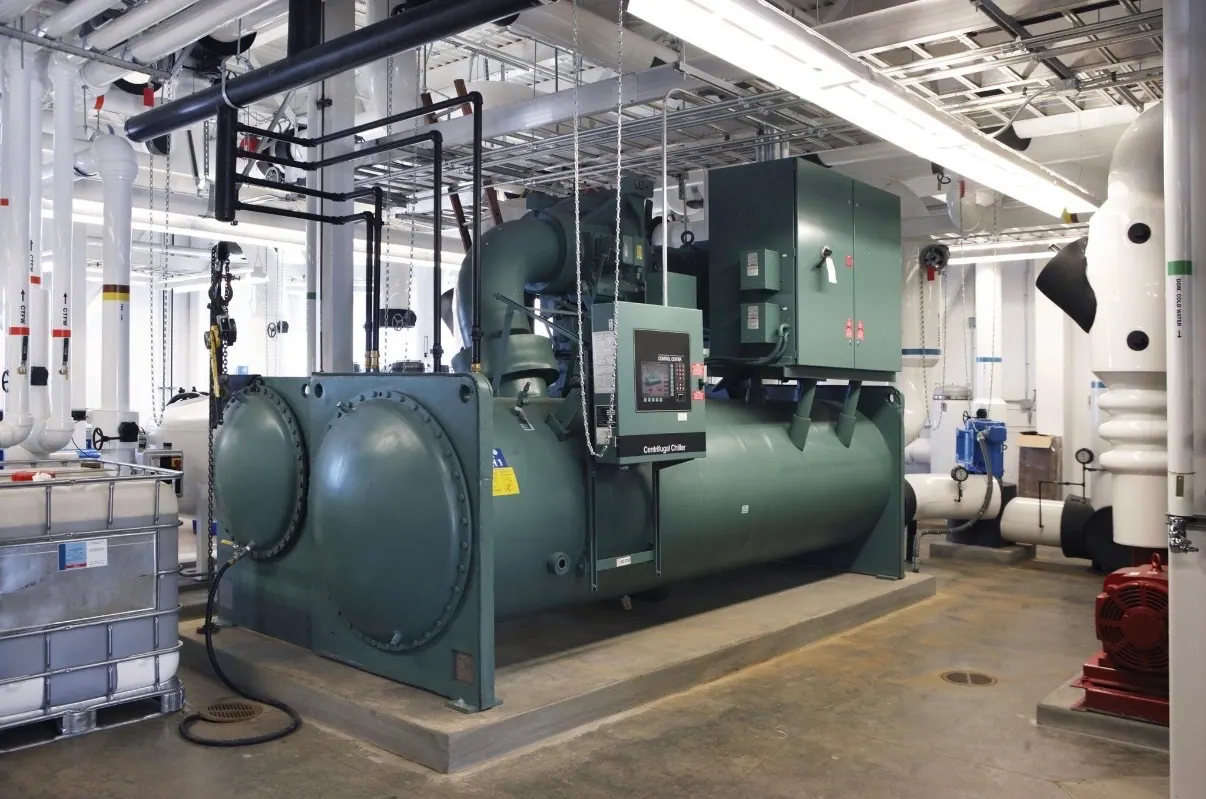
We buy Carrier chillers in Texas for projects involving non-running equipment. We offer upfront payment, handle removal, and do not require seller testing.
From first photo to final haul, we take care of the details so you can move forward.
Share a nameplate photo, the location, and whatever you know about your equipment. No testing is required from you.
We review the chiller and your site information, then make an offer. Payment is upfront.
We handle disconnects, refrigerant recovery, crane and rigging, loading, freight and hauling.
A Carrier nameplate can identify the manufacturer, but it does not tell the whole story of a chiller that has stopped operating. We consider non-running Carrier chillers in Texas, along with idle or decommissioned units. You do not need to restart, test, repair, or open the machine to begin a review.
Share the model and serial information from the equipment plate if it is safely visible, plus the approximate cooling capacity, configuration, and location within the facility. Photos of the whole unit and accessible labels can help distinguish the chiller from nearby equipment. If a label cannot be reached without moving guards or entering a restricted area, say so; do not take risks to retrieve it.
Describe the last known status in plain terms: for example, whether the unit stopped during operation, was shut down for a replacement, or has been sitting disconnected. Mention known missing parts, visible damage, or uncertainty about its history. A complete service file is not necessary for an initial discussion, and there is no need to guess at a fault.
A chiller may be non-running yet still connected to electrical service, piping, controls, or other plant systems. Its refrigerant charge and condition are not established by its operating status. Do not vent refrigerant, open a circuit, or attempt a restart. We coordinate appropriate refrigerant recovery with qualified personnel and arrange the equipment-side disconnect work as part of a reviewed purchase and pickup scope.
The chiller’s cooling capacity is not its weight. Actual handling needs depend on the unit, its configuration, what components are included, and the route out of the building or site. If you have drawings, prior rigging notes, or equipment records, they may be useful, but avoid treating old documents as a substitute for checking current conditions.
Pickup planning works best when the person discussing the sale can establish whether the equipment is authorized for sale. That person may not be the one who controls building access, approves work in an operating plant, or coordinates security. Identify both roles early, and let us know if ownership, a landlord, a contractor, or another party must approve the transaction or removal.
Before a date is set, the authorized site contact should be able to confirm the equipment being sold, the permitted work area, access procedures, and any required approvals. If the chiller sits among operating equipment, clarify what is included and what must remain untouched. The owner or site representative supplies accurate information, authorized access, applicable site rules, and necessary approvals; we coordinate the equipment work with that contact.
Useful pickup details include where the chiller sits, how crews can reach it, and where loading or staging might be allowed. Note known door or aisle limits, overhead obstructions, shared docks, restricted hours, security check-in, or nearby equipment that could affect movement. These are planning questions, not reasons to arrange a crane or hauler yourself.
A rooftop location, tight plant room, or outdoor pad can each call for a different removal plan. A lift may be needed at one site, while another may allow a different route. We assess rigging, crane work when appropriate, loading, freight, and hauling against the equipment and conditions actually described, then coordinate the work with the authorized contact. No particular lifting method can be assumed before that review.
We buy used industrial and commercial water-cooled and air-cooled chillers, including Carrier equipment, across centrifugal, screw, and scroll configurations. We consider all refrigerants and review idle as well as non-running machines. An offer depends on the specific asset, available information, included components, condition, and the pickup work; submitting details does not guarantee a purchase or a particular cash amount.
If both sides agree to a purchase, payment is made upfront before pickup, on the agreed terms. Confirming the sale authority, equipment scope, payment terms, and access window before dispatch helps avoid confusion on the day. You are not required to test or restart the chiller, hire a recovery provider, book rigging, or source transportation to request a review.
Gather the identification you can safely access, a few current photos, a short description of the known condition, and the name or role of the person who can authorize the sale. Add the site contact’s details for access coordination, along with any known route limits or approval steps. If information is missing, flag what remains uncertain rather than filling gaps with estimates. That gives us a practical basis to review the Carrier chiller and discuss whether a purchase and coordinated removal make sense.

Air-cooled or water-cooled. Centrifugal, screw or scroll. From single units to large shutdown projects, we buy industrial chillers across Texas.
Send us your chiller details and nameplate photos for a cash offer. Don’t worry if you don’t know every specification—we can start with what you have.
Call or text(614) 715-3047TEXT NAMEPLATE PHOTOS ↗Prefer email?
saleselectricalbuyers@gmail.com