
SEND THE DETAILS
Share a nameplate photo, the location, and whatever you know about your equipment. No testing is required from you.
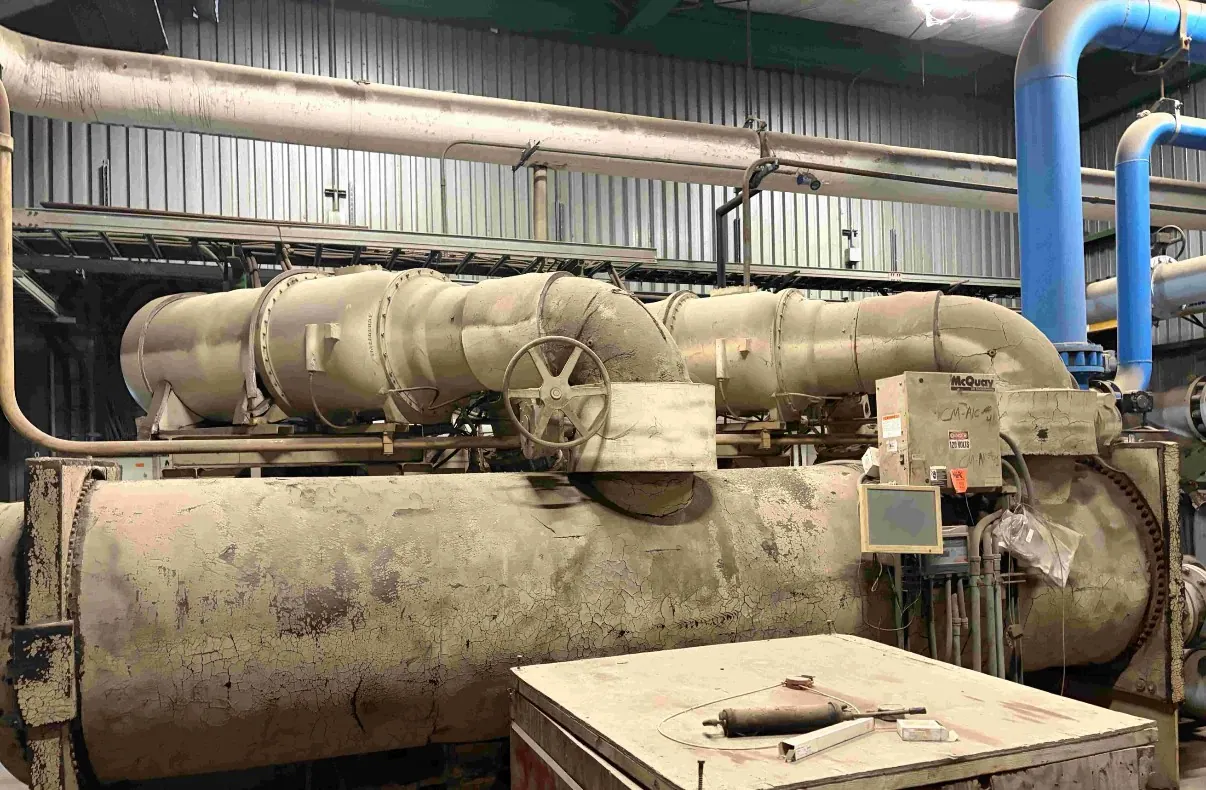
We buy absorption chillers in Austin, Texas, with cash offers and upfront payment when a purchase is agreed. We handle removal, and the seller does not need to test the equipment.
From first photo to final haul, we take care of the details so you can move forward.
Share a nameplate photo, the location, and whatever you know about your equipment. No testing is required from you.
We review the chiller and your site information, then make an offer. Payment is upfront.
We handle disconnects, refrigerant recovery, crane and rigging, loading, freight and hauling.
To discuss selling an absorption chiller in Austin, you do not need to restart it or establish that it works. Begin with details already available to the facility: the nameplate, model and serial numbers, approximate installation date, and any service or project records. A few clear photos of the whole unit and its labels can help identify what is being offered. If a label is unreadable or records are missing, say so rather than guessing.
We buy used absorption chillers and consider idle and non-running units. An initial review can use the information you have; equipment condition, refrigerant, configuration, and operating history remain subject to what can actually be confirmed. You do not need to test, repair, restart, or open the chiller to begin.
A chiller may sit among pumps, piping, controls, heat sources, or other plant equipment. Clarify which items are included in the proposed sale and which must remain. If that boundary is uncertain, identify the area and the person who can confirm it. This helps avoid treating shared equipment or facility infrastructure as part of the chiller by assumption.
Also note the unit’s approximate cooling capacity, if known. Capacity is measured in tons; it is not the machine’s weight. Do not estimate shipping weight from the tonnage or a photograph. Dimensions, lift points, and verified weight may need to be established during removal planning.
Useful context includes whether the chiller is operating, idle, disconnected, or awaiting removal, along with any known faults, leaks, or incomplete decommissioning. These are questions you can answer from records or direct observation. If you do not know the current refrigerant charge, recent operating condition, or system history, mark those items as unknown. Uncertainty does not require you to open the circuit or arrange a test.
Share available nameplate and service information about the refrigerant, but do not vent it, drain it, or open refrigerant lines. Appropriate recovery is coordinated through qualified personnel as part of the agreed work. The actual handling plan depends on the equipment and site information.
Where is the unit: a plant room, a basement, an upper floor, or a roof? What route could equipment and rigging use to reach it? Photos of doorways, corridors, stairs, loading areas, and the path outside can reveal questions that a close-up of the chiller cannot answer. Mention known height or width restrictions, operating areas that must stay clear, and any required access appointment or escort.
For a rooftop unit, describe available roof access, the route to ground level, and any potential crane staging area or overhead obstruction you already know about. These details do not establish that a lift is feasible; the actual location, clearances, ground conditions, and site approvals need review. Share only facts you can verify, and leave the lift assessment to the removal plan.
Identify who is authorized to approve the sale and who can answer questions about the building and work area. Facility rules, permits, tenant schedules, security procedures, or contractor coordination may affect access or timing. If the chiller is part of a replacement project, note the expected handoff window and identify equipment or connections that must remain in service.
The site provides accurate equipment and access information, authorized entry, applicable rules, and necessary approvals. We coordinate the equipment work: appropriate refrigerant recovery, disconnects, rigging, crane work when needed, loading, freight, and hauling. The scope and schedule are confirmed with the authorized site contact; they should not be inferred from a photo or assumed building layout.
A cash offer depends on the specific asset and a review of the actual project, including equipment details and the work required to collect it. An offer is not guaranteed, and no cooling-capacity figure alone establishes a value. We consider absorption chillers across a range of conditions, including equipment that is idle or not running, but each proposed purchase is subject to review.
If a purchase is agreed, payment is made upfront before pickup on the agreed terms. The equipment included, payment terms, access plan, and removal scope should be clear before collection is scheduled. The seller does not need to hire a recovery provider, crane company, or hauler as a prerequisite to asking about a sale.
Gather the identification plate, available records, a short description of known condition, photos of the unit and access route, and the name of the person authorized to discuss the sale. Note what is unknown, including refrigerant details or weight. That gives the buyer a practical basis to review the chiller and identify questions before discussing an offer and possible removal arrangements.

Air-cooled or water-cooled. Centrifugal, screw or scroll. From single units to large shutdown projects, we buy industrial chillers across Texas.
Send us your chiller details and nameplate photos for a cash offer. Don’t worry if you don’t know every specification—we can start with what you have.
Call or text(614) 715-3047TEXT NAMEPLATE PHOTOS ↗Prefer email?
saleselectricalbuyers@gmail.com