
SEND THE DETAILS
Share a nameplate photo, the location, and whatever you know about your equipment. No testing is required from you.
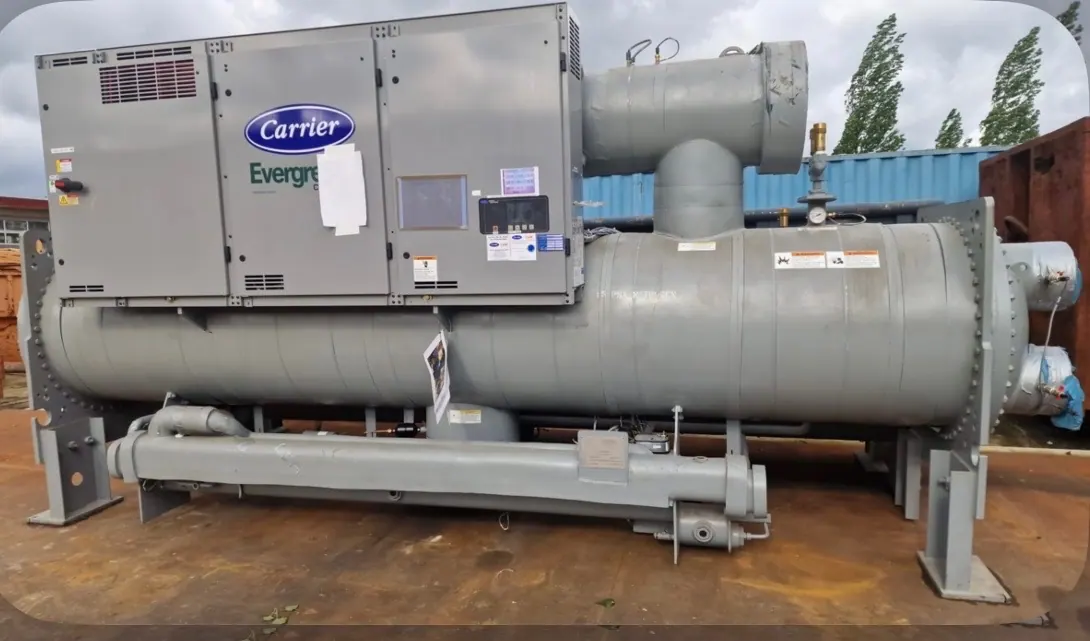
We buy 500 to 999 ton chillers in Lubbock, Texas, with cash offers and upfront payment when a purchase is agreed. We handle removal, and the seller does not need to test the equipment.
From first photo to final haul, we take care of the details so you can move forward.
Share a nameplate photo, the location, and whatever you know about your equipment. No testing is required from you.
We review the chiller and your site information, then make an offer. Payment is upfront.
We handle disconnects, refrigerant recovery, crane and rigging, loading, freight and hauling.
A 500–999 ton chiller is a substantial piece of plant equipment, but its cooling capacity does not tell a buyer its weight, condition, or removal cost. We buy used industrial and commercial chillers in this range, including centrifugal, screw, and scroll units. Idle and non-running machines can be considered, and we consider all refrigerants. Any offer depends on review of the actual equipment and project.
For an initial review, share what you know and mark anything uncertain as unknown. A model number or nameplate can help identify the unit; your description can explain whether it is operating, stored, disconnected, or awaiting decommissioning. Service records, if available, are useful context, but you do not need to restart or test the chiller.
One photograph rarely shows enough. A clear nameplate image may provide manufacturer, model, serial number, and rated capacity. Take it only from a safe, accessible position; do not remove guards or open panels to get a picture. A wider view shows the whole machine and how it sits in the room or outdoors. Close views of visible damage, corrosion, missing parts, or modifications can help describe condition without implying a diagnosis.
Route photographs serve another purpose: they help assess how the equipment could leave the property. If practical, photograph the path toward an exit, including doors, turns, corridors, stairs, overhead obstructions, and the area where a truck or lifting equipment might be positioned. Include enough context to show clearances, but do not enter restricted areas or move operating equipment for a better angle.
Labels help distinguish one machine from neighboring equipment and connect photographs to available records. If the nameplate is unreadable, provide a safe-distance image and transcribe any legible details; do not guess at missing information. Drawings, dimensions, or prior rigging documents can help, but they are not substitutes for confirming conditions at the site.
Clarify whether the proposed sale includes controls, starter equipment, pumps, or other associated components. A large plant may have shared piping or electrical connections, especially where multiple chillers serve a central or district-cooling system. Identify which assets are offered and which must remain. The authorized site contact can explain operating boundaries and any isolation requirements.
Access details often matter as much as the machine itself. Note known limits on dock use, door width, floor loading, ceiling height, staging space, delivery traffic, or work hours. If the chiller is on a roof or behind an occupied area, say so and share the available route information. Wind, ground conditions, overhead lines, and crane positioning may affect a lift if a crane is needed; the specific plan depends on the property and conditions at the time.
We coordinate appropriate refrigerant recovery with qualified personnel, along with disconnects, rigging, crane work when needed, loading, freight, and hauling. The seller does not need to vent refrigerant, open a circuit, hire a recovery contractor, or arrange lifting equipment. Do not attempt refrigerant work or disconnects to prepare for a possible sale.
A cash offer is not determined by capacity alone. The equipment’s identity, condition, included components, location, access, and work required to remove it all inform the review. We consider older and non-running units, but purchase is subject to the actual project review; an offer is not guaranteed. A cooling ton measures capacity, not the unit’s physical weight or the size of the lift.
If a purchase is agreed, payment is made upfront before pickup, on terms agreed in advance. Confirm the equipment included, access arrangements, work window, and authorized seller before the handoff. Removal is coordinated with the site contact, who supplies accurate information, authorized access, applicable site rules, and necessary approvals. The buyer is responsible for the equipment work.
To begin, send the available nameplate details, a few machine photographs, and separate route photographs. Add the chiller’s known operating status, included components, approximate dimensions if available, and any known access restrictions. For a Lubbock project, provide the equipment’s actual site location and the person authorized to discuss access; no assumptions about the facility or route are needed. If details are missing, say so rather than estimating.
We can review that information, ask focused questions, and determine whether the chiller and removal scope are suitable for an offer. You do not need to clean, repair, test, or restart the machine first. Keep the equipment in its current condition and leave refrigerant circuits unopened while the project is evaluated.

Air-cooled or water-cooled. Centrifugal, screw or scroll. From single units to large shutdown projects, we buy industrial chillers across Texas.
Send us your chiller details and nameplate photos for a cash offer. Don’t worry if you don’t know every specification—we can start with what you have.
Call or text(614) 715-3047TEXT NAMEPLATE PHOTOS ↗Prefer email?
saleselectricalbuyers@gmail.com