
SEND THE DETAILS
Share a nameplate photo, the location, and whatever you know about your equipment. No testing is required from you.
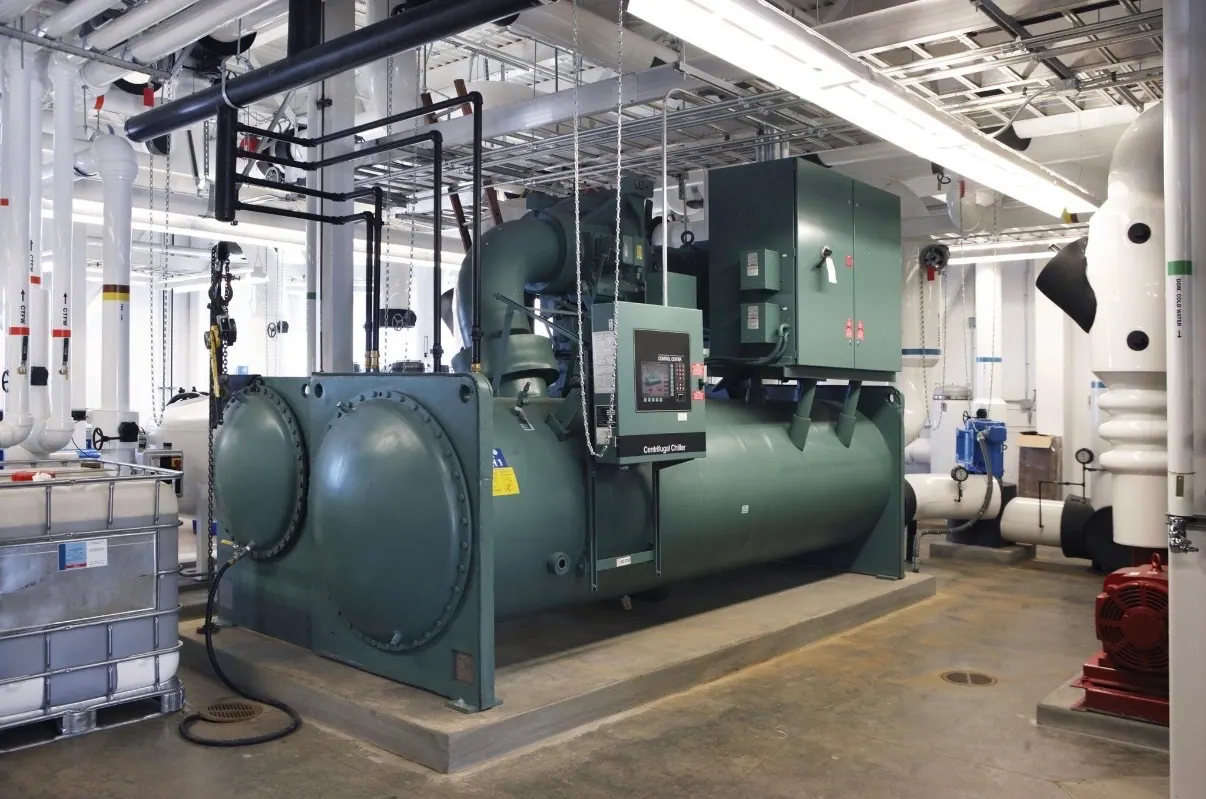
We buy 1,000 to 1,999 ton chillers in Lubbock, Texas, with cash offers and upfront payment when a purchase is agreed. We handle removal, and the seller does not need to test the equipment.
From first photo to final haul, we take care of the details so you can move forward.
Share a nameplate photo, the location, and whatever you know about your equipment. No testing is required from you.
We review the chiller and your site information, then make an offer. Payment is upfront.
We handle disconnects, refrigerant recovery, crane and rigging, loading, freight and hauling.
A planned replacement, plant consolidation, or retirement of a large cooling system can leave a 1,000 to 1,999 ton chiller with no role in the next operating setup. If a unit in Lubbock is becoming surplus, the useful first question is what will be sold and when it can safely be removed—not whether someone can get it running for a demonstration. We consider water-cooled and air-cooled machines, including centrifugal, screw, and scroll units, as well as idle or non-running equipment.
Share the changeover window you are working toward and whether the chiller is isolated, still connected, or surrounded by equipment that must remain in service. Those details help frame a possible collection plan. They do not establish a purchase by themselves: any offer depends on review of the actual asset, its condition, and the work involved.
Large chillers often sit within a broader plant arrangement. Identify the machine being offered and distinguish it from pumps, controls, piping, electrical gear, or adjacent units that are staying. If accessories are included, list them; if you are unsure whether an item belongs with the chiller, flag it for review rather than assuming it is part of the sale.
Useful starting material includes the manufacturer and model from the nameplate, available serial or capacity information, and clear photographs of the full unit and its surroundings. Existing records can help, but missing documentation need not stop an initial discussion. Do not estimate physical weight from cooling capacity: a ton is a measure of cooling capacity, not equipment weight.
Tell us what is known about operating history, shutdown status, missing components, visible damage, or prior decommissioning. If the chiller is idle or does not run, say so plainly. We consider non-running equipment, and you do not need to test, repair, restart, or clean the machine to request a review.
Likewise, do not open the refrigerant circuit, vent refrigerant, or try to determine the charge yourself. The current charge and system configuration must be established through the appropriate review. We consider equipment using all refrigerants; the refrigerant type is useful information when available, not a reason to handle the system before discussing the project.
For a large unit, removal depends on the entire path from its installed position to the loading point. Photos or a brief description can show door and ceiling clearances, turns, floor or pad conditions, overhead obstructions, access gates, and potential staging areas. Mention any known restrictions on truck access, work hours, or the collection window.
Depending on the specific site, the chiller may need to be dismantled for removal, or a crane and rigging may be appropriate. Those choices require review of the actual equipment, route, and surroundings; they cannot be settled from nominal tonnage alone. We arrange and handle the necessary disconnects, qualified refrigerant recovery, rigging, crane work when needed, loading, freight, and hauling if a purchase is agreed.
If other cooling systems or facility services need to stay active, tell us which equipment is outside the sale and who can confirm isolation and access requirements. The authorized site contact should explain applicable safety procedures, operating limits, approvals, and rules for the work area. This is especially important when a removal window must fit around facility operations.
The buyer’s crew handles the equipment work and coordinates the collection scope with that contact. The seller or site is responsible for accurate information, authorized access, site rules, and necessary approvals. You are not expected to arrange a separate recovery contractor, crane, or hauler for the buyer’s removal work.
Before a collection window is set, the parties need a shared understanding of the included equipment, access route, site contact, and any constraints that could affect the work. If new information changes the scope—for example, an accessory is excluded or the route is unavailable—raise it before the pickup plan is finalized. A workable schedule follows from those details, not from a generic turnaround promise.
A cash offer is based on the equipment and project review, so it is not automatic or guaranteed. If a purchase is agreed, payment is made upfront before pickup on the agreed terms. Confirm the included assets, payment arrangement, access permissions, and timing with the authorized seller and site contact before removal begins.
To begin, gather whatever is readily available: identifying-label photos, overall and close-up equipment images, known condition, included or excluded components, refrigerant information if documented, and a description of the removal route and preferred window. Mark uncertain details as unknown rather than guessing. With that information, we can review whether the chiller and proposed scope merit an offer and what questions must be resolved before collection in Lubbock.

Air-cooled or water-cooled. Centrifugal, screw or scroll. From single units to large shutdown projects, we buy industrial chillers across Texas.
Send us your chiller details and nameplate photos for a cash offer. Don’t worry if you don’t know every specification—we can start with what you have.
Call or text(614) 715-3047TEXT NAMEPLATE PHOTOS ↗Prefer email?
saleselectricalbuyers@gmail.com