
SEND THE DETAILS
Share a nameplate photo, the location, and whatever you know about your equipment. No testing is required from you.
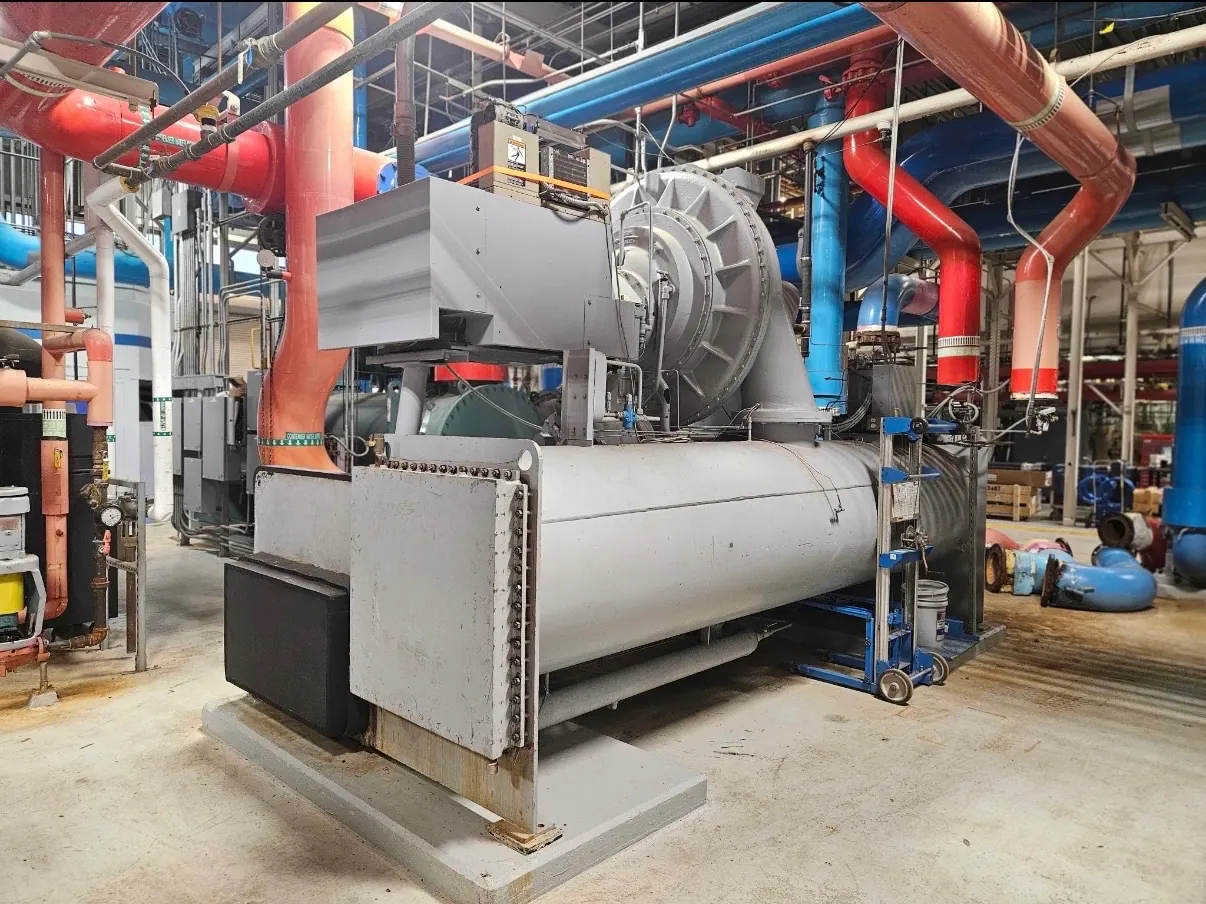
We buy 250 to 499 ton chillers in Beaumont, Texas, with cash offers and upfront payment when a purchase is agreed. We handle removal, and the seller does not need to test the equipment.
From first photo to final haul, we take care of the details so you can move forward.
Share a nameplate photo, the location, and whatever you know about your equipment. No testing is required from you.
We review the chiller and your site information, then make an offer. Payment is upfront.
We handle disconnects, refrigerant recovery, crane and rigging, loading, freight and hauling.
For a 250–499 ton chiller in Beaumont, the first decision is not how to move it; it is which assets the proposed sale includes. Identify the chiller by its nameplate or whatever equipment records are available. Then list any components you want considered with it, such as a starter, control panel, pumps, or other equipment. Include only items you are authorized to sell, and distinguish them from neighboring systems or parts that must remain at the facility.
Cooling tons indicate capacity, not shipping weight. A unit’s actual weight, dimensions, configuration, and condition need separate review before anyone plans a lift. If a nameplate or records are missing, say what is unknown rather than estimating. The equipment can still be considered; the available facts simply shape what can be assessed at the outset.
Share the manufacturer, model, serial number, refrigerant label, and approximate age if those details are readily available. Overall photographs can show the machine’s configuration and condition; closer views of the nameplate and visible damage may help clarify specifics. Note whether the chiller is installed, disconnected, stored, idle, or known not to run. We consider non-running equipment, and you do not need to start, test, repair, or restart it for a review.
Be candid about missing service records, prior changes, leaks, removed components, or uncertainty about the refrigerant charge. A label may identify the refrigerant originally specified, but it does not by itself confirm what is currently in the circuit. Do not vent refrigerant or open the system to find out. Recovery arrangements, when needed, are handled by qualified personnel as part of the reviewed removal scope.
For an installed chiller, explain where it sits and how removal crews could reach it. Is it outdoors, in a mechanical room, on a roof, or within an operating plant? The actual setting may involve doors, stairs, overhead obstructions, limited turning space, nearby equipment, or a route that crosses an active work area. Photos of the unit and the proposed path can help; measurements are useful when already known, but should not be guessed.
Also mention any known loading-area limits, overhead clearance, ground or floor restrictions, truck staging rules, or required access windows. These details do not determine the plan by themselves. They help the team understand what must be checked with the authorized site contact before selecting rigging, a crane if needed, and freight arrangements.
A large chiller may be connected to piping, electrical feeds, controls, or shared plant systems. Identify what can be isolated for removal and what must stay in service, but do not disconnect or alter equipment on our behalf. The authorized facility contact should explain site procedures, permits, escort requirements, access approvals, and any limits on work or staging. If details have not yet been confirmed, flag them as pending.
We coordinate appropriate refrigerant recovery, equipment disconnects, rigging, loading, and hauling for an agreed purchase. The buyer is responsible for the equipment work; the seller or site supplies accurate information, authorized access, site rules, and necessary approvals. A site-specific plan is confirmed after the relevant conditions are reviewed.
Tonnage is one part of an assessment, not a price schedule. Make, configuration, condition, included components, location, removal access, and timing can all affect whether a purchase works and what offer is appropriate. A cash offer depends on review of the actual asset and project; it is not guaranteed. If a purchase is agreed, payment is made upfront before pickup on terms confirmed in advance.
Before accepting, make sure the equipment and included accessories are identified clearly, and that the payment and pickup terms match the agreed scope. If the proposed sale changes—for instance, because a component must remain or access is different—raise that before removal is scheduled. No separate test, repair, recovery contractor, crane, or hauler needs to be arranged by the seller for our review.
A practical first message can include the unit’s identification, available photographs, known condition, current location within the property, and the name or role of the person authorized to discuss the sale. Add any known access constraints and note whether the chiller is part of a broader retirement project. Existing drawings or service notes can help, but are not required to begin. Unknowns are acceptable when they are identified plainly.
Gather what is already available, confirm who can approve access and the sale, and describe which equipment belongs in the proposed transaction. From there, the chiller and removal scope can be reviewed together, with any follow-up questions focused on the actual machine and site rather than assumptions about either.

Air-cooled or water-cooled. Centrifugal, screw or scroll. From single units to large shutdown projects, we buy industrial chillers across Texas.
Send us your chiller details and nameplate photos for a cash offer. Don’t worry if you don’t know every specification—we can start with what you have.
Call or text(614) 715-3047TEXT NAMEPLATE PHOTOS ↗Prefer email?
saleselectricalbuyers@gmail.com