
SEND THE DETAILS
Share a nameplate photo, the location, and whatever you know about your equipment. No testing is required from you.
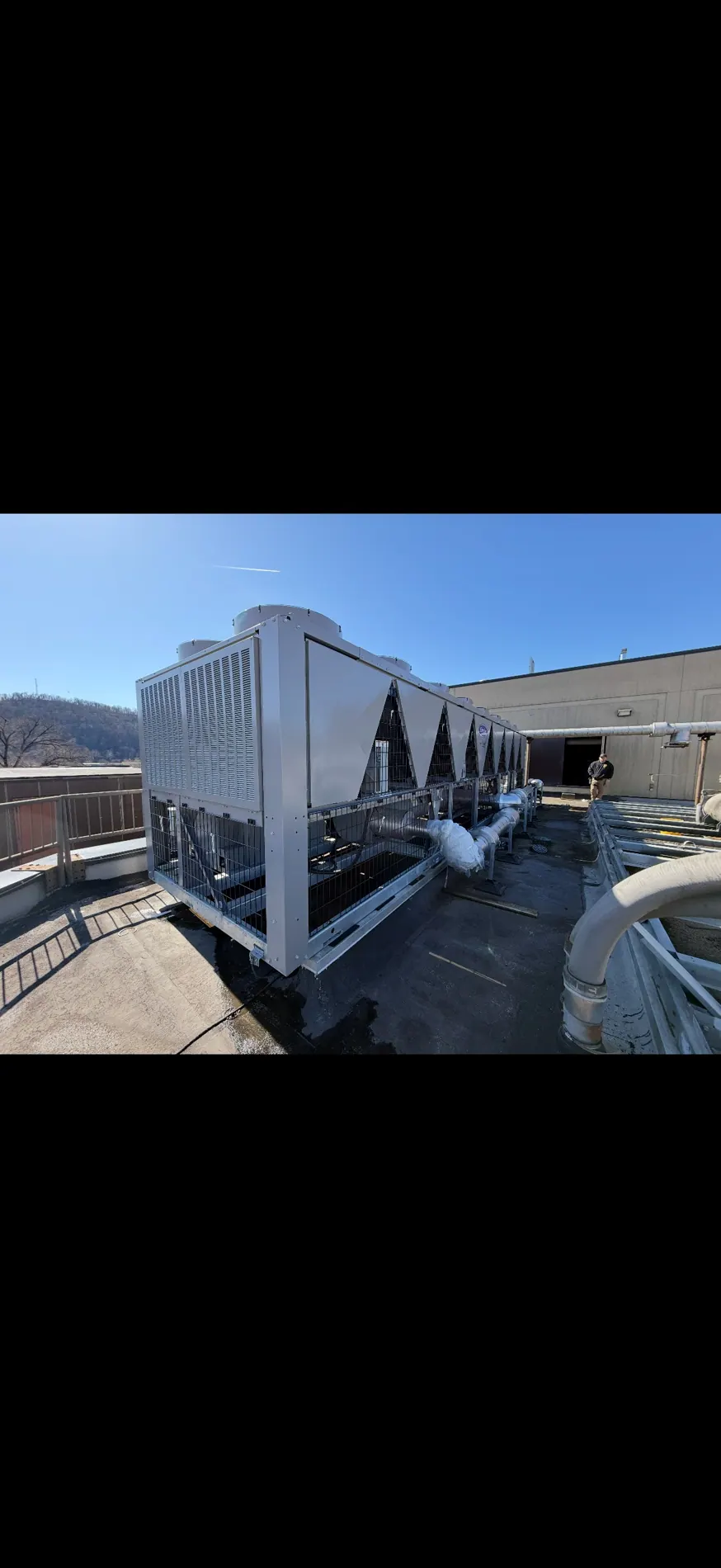
We buy 1,000 to 1,999 ton chillers in Fort Worth, Texas, with cash offers and upfront payment when a purchase is agreed. We handle removal, and the seller does not need to test the equipment.
From first photo to final haul, we take care of the details so you can move forward.
Share a nameplate photo, the location, and whatever you know about your equipment. No testing is required from you.
We review the chiller and your site information, then make an offer. Payment is upfront.
We handle disconnects, refrigerant recovery, crane and rigging, loading, freight and hauling.
For a 1,000 to 1,999 ton chiller in Fort Worth, an initial review can begin with the information already available at the site. A clear photograph of the nameplate is useful for identifying the manufacturer, model, serial number, and rated capacity. If the plate is hard to reach or unreadable, share what you can rather than climbing, moving panels, or disturbing the equipment to get a better view.
Include a few wide photographs showing the whole machine and its surroundings. Note whether it is installed or stored, whether it appears complete, and anything known about its operating status or service history. These large units may have multiple sections or associated components; distinguish what is being offered from pumps, piping, controls, or other plant assets that are not part of the sale.
The 1,000-to-1,999-ton range refers to cooling capacity, not the chiller’s weight or dimensions. Those physical details matter later when the removal plan is assessed. A nameplate, equipment drawings, shipping records, or existing rigging documents may help, if available, but the seller does not need to produce every record for the first conversation.
Tell us what is known about the configuration: for example, whether the unit is water-cooled or air-cooled, and whether it is centrifugal, screw, or another type. Identify the refrigerant from the label if it is visible, and mention any known changes to the system. A label alone may not establish what refrigerant is currently present, so do not open the circuit or vent anything to check.
Once the equipment is identified, the next useful information is how a removal crew could reach it. Explain where the chiller sits and the likely path from that point to a loading area: doors, corridors, exterior gates, stairs, overhead obstructions, or changes in level may all affect the approach. Photos taken from safe, permitted locations can make the route easier to understand.
For a large unit, access and staging may shape the work as much as the equipment itself. If the chiller is in an occupied building, a restricted plant room, or an operating facility, mention the relevant access rules and any known limits on work hours or truck movement. Do not infer that a crane is needed—or unnecessary—from capacity alone. The actual configuration and site conditions determine what equipment and sequence are appropriate.
Before discussing pickup, identify who is authorized to approve access and coordinate work at the property. That person can clarify site rules, required approvals, safety orientation, utility isolation procedures, and any work window the facility can permit. If nearby systems must remain in service, explain that early so the removal sequence can be reviewed against the site’s requirements.
Mark the limits of the proposed sale plainly. If a chiller is connected to common headers or shares space with other plant equipment, specify which asset is available and what must remain. Drawings or photographs can help clarify those boundaries, but the site’s authorized contact should confirm what may be disconnected or removed.
Idle, older, and non-running chillers can be considered. Describe known faults, missing components, visible damage, prior modifications, or uncertainty honestly; there is no need to restart the machine, perform a test, clean it, or repair it to begin a review. The purchase decision and any cash offer depend on the actual asset and project details, including condition and the work involved in removal.
Refrigerant recovery and required disconnects are arranged and handled by the buyer with qualified personnel, as appropriate to the verified equipment and site. The seller should not recover refrigerant, open a circuit, or vent the system. If purchase terms are agreed, payment is made upfront before pickup on the agreed terms. The seller and site provide accurate information, authorized access, and necessary approvals.
After the information is reviewed, the next discussion can establish the equipment included, the proposed removal scope, access arrangements, and timing. If a purchase is agreed, the buyer coordinates the required recovery, disconnects, rigging, crane work when needed, loading, freight, and hauling. The seller does not need to hire those services or perform the equipment work. The plan remains subject to confirmation of actual conditions and the agreed site arrangements.
A useful next step is to gather the nameplate image, current photographs, known condition and refrigerant information, and a brief description of the access route. If some details are missing, say so and explain what records or site contact might help resolve them. Share that information for an initial review; no price is guaranteed, and an offer is made only after the equipment and project have been considered.

Air-cooled or water-cooled. Centrifugal, screw or scroll. From single units to large shutdown projects, we buy industrial chillers across Texas.
Send us your chiller details and nameplate photos for a cash offer. Don’t worry if you don’t know every specification—we can start with what you have.
Call or text(614) 715-3047TEXT NAMEPLATE PHOTOS ↗Prefer email?
saleselectricalbuyers@gmail.com