
SEND THE DETAILS
Share a nameplate photo, the location, and whatever you know about your equipment. No testing is required from you.
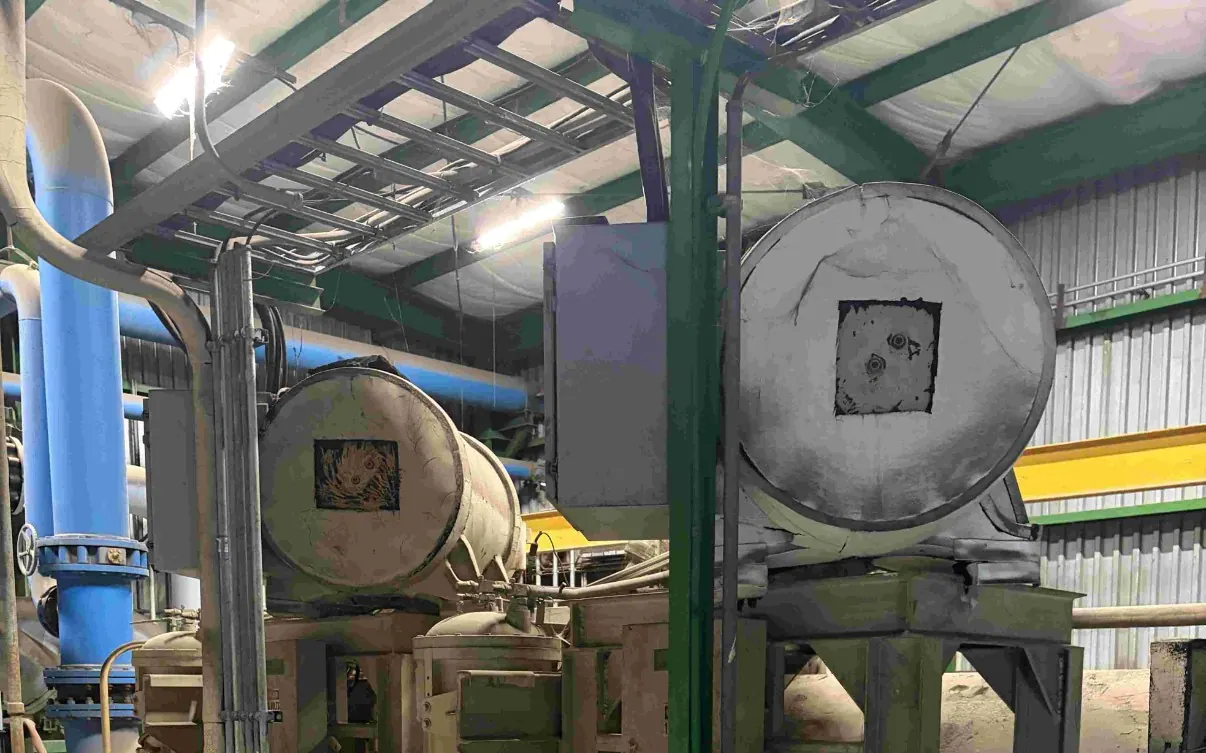
We buy used industrial chillers in Midland County, Texas, with cash offers and upfront payment when a purchase is agreed. We handle removal, and the seller does not need to test the equipment.
From first photo to final haul, we take care of the details so you can move forward.
Share a nameplate photo, the location, and whatever you know about your equipment. No testing is required from you.
We review the chiller and your site information, then make an offer. Payment is upfront.
We handle disconnects, refrigerant recovery, crane and rigging, loading, freight and hauling.
A surplus chiller may be easy to identify and still be difficult to sell if the people involved have different roles. One person may own the equipment, another may manage the property, and a facilities contact may control access. Before discussing pickup dates, establish who is authorized to approve the sale and who can approve work at the collection site. Those may be different people.
For a Midland County chiller, send the best available equipment details along with the name or role of each decision-maker. If a landlord, asset owner, contractor, or corporate office must approve the transaction, mention that early. A clear approval path helps avoid arranging removal around an offer that no one at the site can authorize.
We buy used water-cooled and air-cooled industrial or commercial chillers, including centrifugal, screw, and scroll units. Equipment is generally considered from 20 to more than 2,000 cooling tons, and all refrigerants are considered. Idle and non-running machines can be reviewed; you do not need to test, restart, repair, or prove operation before sharing the equipment for review.
Send a readable nameplate photo if available, plus an overall picture and any known details about capacity, model, refrigerant, condition, and included components. If the label is inaccessible or information is missing, say so rather than estimating. Cooling tons describe capacity, not the machine’s physical weight, so removal planning also depends on dimensions, configuration, and the route out.
The collection point can shape the work as much as the chiller does. Explain whether the unit is indoors or outdoors, connected or already disconnected, and whether it is near active equipment or services. Photos showing the machine, nearby obstructions, doors or gates, and a possible route to the loading area can help establish what needs discussion.
Share access hours, gate or escort procedures, required orientation, and any site rules that apply to the actual work area. If a crane, rigging, or special loading approach may be needed, mention visible overhead limits, tight turns, restricted staging, or other known constraints. These details are for planning; the removal method is determined after the equipment and site are reviewed.
Choose a site contact who can grant access on the agreed date and explain the property’s operating boundaries. That person should know which chiller is included, where the crew may work, and which surrounding equipment must remain undisturbed. If access approval comes from a separate owner or manager, identify that approval before scheduling.
Give a realistic availability window and flag shutdowns, occupancy, traffic, or other work that could affect the route or timing. A chiller beside active plant equipment, for example, may require coordination around the facility’s own isolation and access procedures. The buyer handles the agreed equipment work; the seller or site supplies accurate information, authorized access, applicable rules, and necessary approvals.
Do not vent refrigerant or open the chiller’s refrigerant circuit to prepare it for sale. The current charge and equipment condition are not known until the details are reviewed. If a purchase is agreed, we arrange and handle appropriate refrigerant recovery with qualified personnel, along with disconnects, rigging, crane work when needed, loading, freight, and hauling.
Whether the unit remains connected, is out of service, or has an incomplete history affects the scope to be reviewed, not a requirement that you perform a test or hire a removal crew. Before work begins, the site contact and buyer coordinate access and applicable site procedures. Share known hazards or restrictions accurately, and leave technical work to the responsible qualified personnel.
A cash offer is based on the actual asset and project review, not capacity alone. Configuration, condition, refrigerant, included components, timing, access, and removal requirements may all inform the decision. An offer is not guaranteed, and an initial review does not mean every chiller will be purchased.
If both sides agree to a purchase, payment is made upfront before pickup on agreed terms. Confirm with the authorized seller what equipment and accessories are included, who can sign off, and what access arrangements must be in place. The unit does not need to be restarted or delivered by the seller.
To begin, gather the equipment location in Midland County, available nameplate and condition information, a few clear photographs, and the pickup constraints you already know. Include the expected availability window and clarify who can approve the sale and who can authorize site access. If you are unsure about a detail, identify it as unknown. That gives the buyer a practical basis to review the chiller and discuss whether a purchase and coordinated removal make sense.

Air-cooled or water-cooled. Centrifugal, screw or scroll. From single units to large shutdown projects, we buy industrial chillers across Texas.
Send us your chiller details and nameplate photos for a cash offer. Don’t worry if you don’t know every specification—we can start with what you have.
Call or text(614) 715-3047TEXT NAMEPLATE PHOTOS ↗Prefer email?
saleselectricalbuyers@gmail.com