
SEND THE DETAILS
Share a nameplate photo, the location, and whatever you know about your equipment. No testing is required from you.
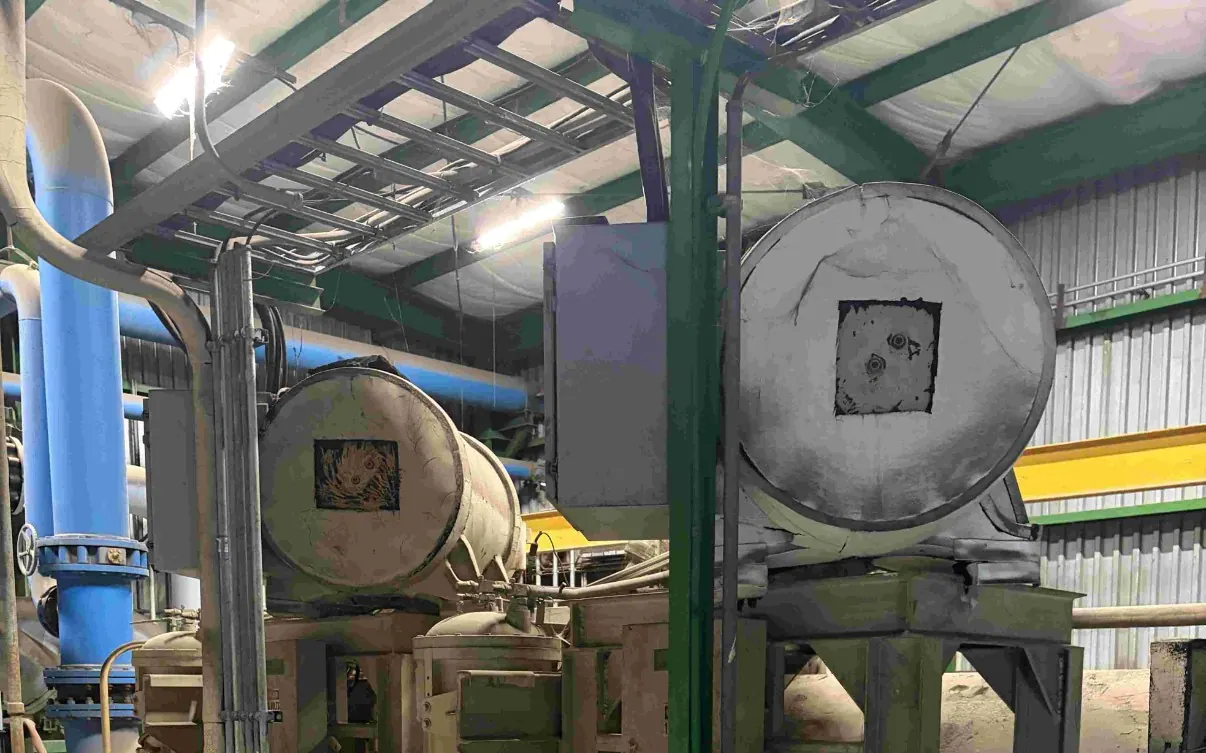
We buy chillers marked R-11 in Beaumont, Texas, with cash offers and upfront payment when a purchase is agreed. We handle removal, and the seller does not need to test the equipment.
From first photo to final haul, we take care of the details so you can move forward.
Share a nameplate photo, the location, and whatever you know about your equipment. No testing is required from you.
We review the chiller and your site information, then make an offer. Payment is upfront.
We handle disconnects, refrigerant recovery, crane and rigging, loading, freight and hauling.
A chiller marked R-11 may have incomplete, old, or conflicting records. The nameplate and refrigerant marking are useful clues, but they do not by themselves establish what is currently in the circuit, whether the machine was converted, or whether it remains complete. If the history is uncertain, say so plainly. A review can begin with what is actually known; you do not need to fill gaps by guessing.
For a Beaumont, Texas facility, we consider used chillers marked R-11, including idle and non-running equipment. We buy water-cooled and air-cooled machines, including centrifugal, screw, and scroll units, generally from 20 to more than 2,000 cooling tons, and consider all refrigerants. Capacity is a cooling rating, not the machine’s weight or a guide to the rigging required.
To begin a review, share the manufacturer and model if known, the capacity shown on the plate, photographs of accessible labels, and a brief description of the machine’s condition. Mention missing components, visible damage, whether it is connected to plant systems, and any service or conversion paperwork you have. If a detail is unknown, mark it unknown.
A seller does not need to run, test, repair, or restart the chiller to request consideration. Nor should anyone vent refrigerant, open the circuit, or try to establish the charge by handling the equipment. Current contents and condition need appropriate assessment as part of planning, not improvised preparation for an offer.
A machine’s apparent value is only part of a purchase decision. Its completeness, condition, refrigerant information, and the work required to remove it all matter. So do the route out and the conditions at the site. An old unit may be intact but difficult to reach; another may be accessible while missing parts or carrying an uncertain history. Those differences are why an offer depends on the actual asset and project review.
Tell us where the chiller sits—such as a mechanical room, plant floor, or outdoor pad—and describe the path to a place where a truck might be positioned. Photos of the surroundings, openings, overhead clearance, and staging area can help. If you know of floor-load limits, narrow doors, restricted work hours, active adjacent equipment, or site entry rules, include those too. These details guide planning; they are not a request for you to move the machine.
Before work is scheduled, the scope needs to identify the equipment being sold and what must remain undisturbed. A site representative authorized to approve access can explain operating boundaries, required escorts, approvals, and any areas that need to stay clear. If other chillers or services will remain in operation, point out their connections and the limits for working nearby.
We coordinate appropriate refrigerant recovery with qualified personnel, along with disconnects, rigging, crane work when needed, loading, freight, and hauling. The actual method depends on the equipment and conditions found at the site. The buyer is responsible for the equipment work; the seller or site supplies accurate information, authorized access, applicable site rules, and necessary approvals. You are not asked to hire a recovery contractor, crane, or hauler for our removal.
After reviewing the available equipment information and removal requirements, we can discuss a cash offer. An offer is not automatic or guaranteed: it depends on the asset and the project review. Confirm which chiller and related components are included, who has authority to sell them, and what removal work is covered before agreeing to a transaction.
If a purchase is agreed, payment is made upfront before pickup, on the terms confirmed with the seller. The chiller does not have to be operational to be considered, but its non-running status, known defects, and missing information should be disclosed so the proposed scope is clear. Avoid relying on a capacity figure alone; tonnage does not indicate shipping weight or determine a price.
Gather the identification plate and refrigerant-label photos if they can be taken safely, any records already on hand, and a few views showing the chiller’s location and removal route. Add what you know about operating status, access restrictions, and the person authorized to coordinate at the site. You do not need to commission a test or prepare the machine before sharing this information. From there, the equipment and pickup requirements can be reviewed together, and any proposed offer and terms can be discussed before removal is arranged.

Air-cooled or water-cooled. Centrifugal, screw or scroll. From single units to large shutdown projects, we buy industrial chillers across Texas.
Send us your chiller details and nameplate photos for a cash offer. Don’t worry if you don’t know every specification—we can start with what you have.
Call or text(614) 715-3047TEXT NAMEPLATE PHOTOS ↗Prefer email?
saleselectricalbuyers@gmail.com