
SEND THE DETAILS
Share a nameplate photo, the location, and whatever you know about your equipment. No testing is required from you.
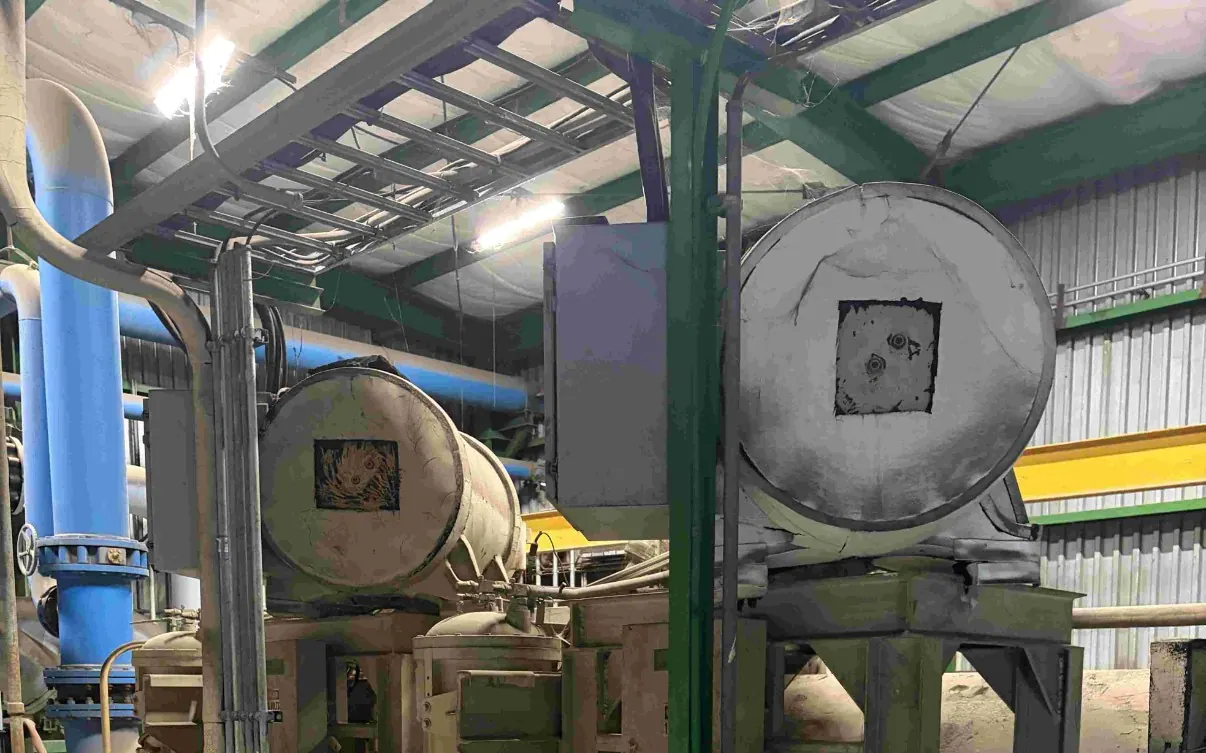
We buy McQuay chillers in Texas for projects involving rigging and lifting. We offer upfront payment, handle removal, and do not require seller testing.
From first photo to final haul, we take care of the details so you can move forward.
Share a nameplate photo, the location, and whatever you know about your equipment. No testing is required from you.
We review the chiller and your site information, then make an offer. Payment is upfront.
We handle disconnects, refrigerant recovery, crane and rigging, loading, freight and hauling.
A McQuay nameplate is a useful starting point, not a complete description of a chiller. The model and serial information can help identify the equipment, while age, operating condition, refrigerant charge, prior repairs, and included components may still be unknown. Share confirmed details where available and label anything uncertain rather than filling gaps with a guess. We buy used commercial and industrial chillers, including McQuay units, and can review idle or non-running equipment.
We consider water-cooled and air-cooled machines, including centrifugal, screw, and scroll chillers, generally from 20 to 2,000 or more cooling tons. We consider all refrigerants. These ranges describe equipment we may review; they do not mean every machine will receive an offer. A purchase depends on the asset and the actual project review, including what can be established about removal.
Clear photographs can reduce back-and-forth without requiring you to operate or prepare the machine. If accessible, take an overall view, a close image of the identification plate, and pictures showing nearby piping, connections, and the equipment’s position. A view from a safe public or authorized area is enough; do not climb, remove guards, open panels, or enter a restricted space just to get a better image.
For rigging and lifting, the route matters alongside the chiller itself. Photos from the machine toward the exit and onward to a loading area can show doors, turns, stairs, columns, overhead clearance, and possible staging space. Include known restrictions such as limited access hours, security procedures, or a route that must remain clear. If a rooftop or elevated plant area is involved, mention that and provide only information you are authorized and able to share.
A cooling-ton rating measures capacity; it does not tell a crew how much the equipment weighs or where it can safely be lifted. Dimensions, shipping or operating weight, configuration, and suitable lift points need separate verification. Drawings, equipment records, or a known weight can help if already available, but do not treat an estimate or nameplate tonnage as a confirmed lifting specification. We can review the information provided and determine what else is needed for a practical handling plan.
The actual site may introduce constraints that are not visible in a single photograph. A narrow opening, overhead obstruction, limited crane position, ground conditions, or building rules could affect the method or timing. These are questions for review, not reasons for a seller to arrange a crane or select rigging equipment in advance.
You do not need to start, test, repair, clean, or restart the chiller to request a review. State whether it is operating, idle, or non-running if known; if its condition is unclear, say so. Do not vent refrigerant or open the refrigeration circuit. The current charge and internal condition cannot be assumed from the brand, a photo, or an old service record.
We assess the available identification, capacity, configuration, condition, included components, and project information. The practical work required to access and remove the unit can also matter. Where records are incomplete, send what you have rather than commissioning a test solely for an initial discussion. A review may lead to follow-up questions before any offer is made.
If a purchase is agreed, we arrange and handle appropriate refrigerant recovery with qualified personnel, utility disconnects, rigging, crane work when needed, loading, freight, and hauling, coordinated with the site’s authorized contact. The approach is based on the actual equipment and property requirements. Recovery and lifting arrangements are not tasks we ask the seller to perform as a condition of submitting information.
The seller or site contact supplies accurate information, authorized access, applicable site rules, and necessary approvals. That may include explaining access procedures or identifying who can authorize work. Clear coordination helps define the agreed equipment scope and pickup plan, while leaving recovery, equipment handling, and transport to the responsibilities established for the purchase.
A cash offer is not automatic or guaranteed. It follows review of the asset and the actual project, including relevant condition and removal details. If a purchase is agreed, payment is made upfront before pickup, on the terms agreed with the seller. Confirm the equipment included, access arrangements, payment terms, and pickup scope before work begins.
A useful next step is to gather the identification information and safe-to-take photographs, note what is known about operating status and access, and identify the authorized site contact. Send the information for review and flag unanswered questions plainly. That gives us a basis to assess the McQuay chiller and discuss whether a purchase and coordinated removal can be considered without asking you to test it first.

Air-cooled or water-cooled. Centrifugal, screw or scroll. From single units to large shutdown projects, we buy industrial chillers across Texas.
Send us your chiller details and nameplate photos for a cash offer. Don’t worry if you don’t know every specification—we can start with what you have.
Call or text(614) 715-3047TEXT NAMEPLATE PHOTOS ↗Prefer email?
saleselectricalbuyers@gmail.com