
SEND THE DETAILS
Share a nameplate photo, the location, and whatever you know about your equipment. No testing is required from you.
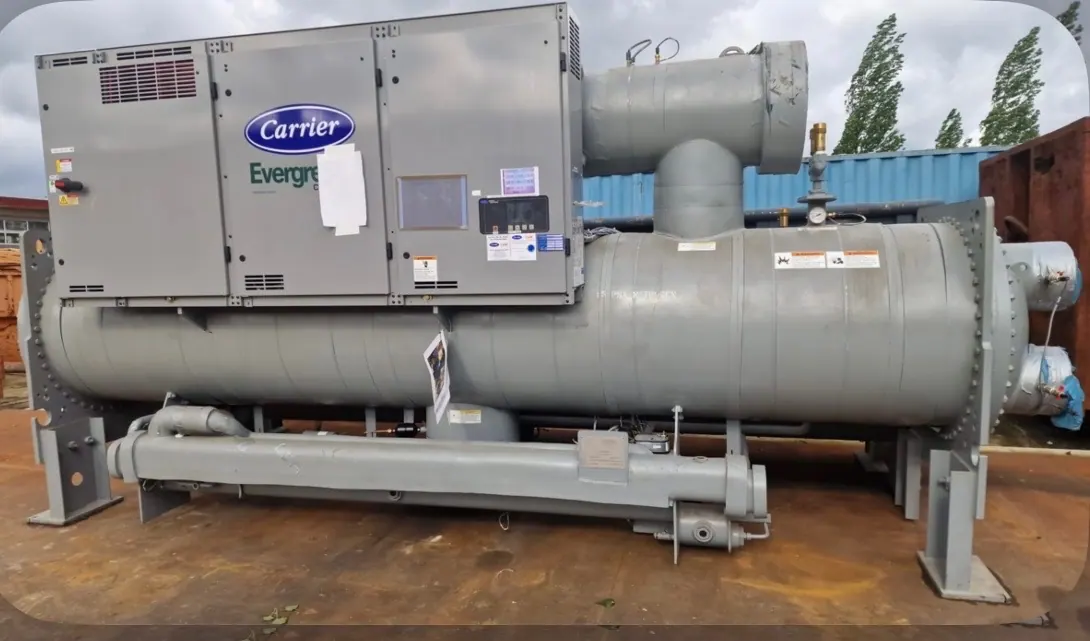
We buy 100 to 249 ton chillers in Midland, Texas, with cash offers and upfront payment when a purchase is agreed. We handle removal, and the seller does not need to test the equipment.
From first photo to final haul, we take care of the details so you can move forward.
Share a nameplate photo, the location, and whatever you know about your equipment. No testing is required from you.
We review the chiller and your site information, then make an offer. Payment is upfront.
We handle disconnects, refrigerant recovery, crane and rigging, loading, freight and hauling.
When a 100–249 ton chiller is coming out of service in Midland, first separate the equipment being offered from the systems and property that must stay. Is the unit slated for replacement, idle after a process change, or already removed and stored? Is it one chiller among several, or part of a larger plant area? Those distinctions help define what is for sale and what a removal crew must leave untouched.
We buy water-cooled and air-cooled chillers, including centrifugal, screw, and scroll models in this capacity range. We consider equipment that is operating, idle, or non-running, and consider all refrigerants. A cooling ton measures capacity; it does not tell us the chiller’s weight or establish what lifting equipment a particular pickup requires.
Share the nameplate information if it is legible: manufacturer, model, serial number, rated capacity, and refrigerant type. A few clear photos can show the overall unit, its condition, connections, and surrounding access. If the label is missing or difficult to reach, say so rather than trying to identify the machine by guesswork.
Describe what you know about operating history and present condition, including whether the chiller runs, has been disconnected, or has known faults. Records, drawings, and service notes can add context, but you do not need to commission a test, restart the unit, make repairs, or open the refrigerant circuit for an initial review. Be clear about what is known and what is uncertain.
Identify the person or organization authorized to sell the chiller and the site contact who can approve access and coordinate work. If pumps, controls, piping, electrical gear, or other plant components are nearby, list what is included and what is excluded. Photos marked with the intended boundary can help avoid confusion when equipment shares a room or skid with assets that are staying.
If the sale is connected to a move, replacement, closure, or property handoff, mention any dates that could affect access. A deadline helps with planning, but removal timing still needs to be reviewed and agreed. Do not assume that a sale of one chiller includes the full mechanical room or that the entire facility will be available to the removal crew.
Tell us where the unit sits—indoors, outdoors, in a plant room, on a roof, or in storage—and how it may reach a loading area. Note doors, stairs, low clearances, narrow turns, overhead obstructions, nearby equipment, or restricted work zones if they apply. The route from the installed position to the truck can matter as much as the final loading point.
Depending on the actual layout, a chiller may need rigging or crane work, or it may be accessible by another method. Those choices require a review of verified dimensions, weight, clearances, ground or floor conditions, and site rules. Tonnage alone is not a basis for estimating the lift. Tell us what measurements or drawings are available; do not put anyone at risk trying to measure inaccessible equipment.
If other chillers, processes, or building services need to remain in use, identify them before removal is planned. Explain which paths must stay open, whether work hours are limited, and whether the site has escort, induction, isolation, or permit procedures. Such requirements vary by facility, so an authorized site representative should describe the rules that apply to the work area.
We coordinate equipment-side disconnects and appropriate refrigerant recovery with qualified personnel, then arrange suitable rigging, loading, freight, and hauling when a purchase is agreed. The seller does not need to hire a recovery contractor, crane, or hauler for this work. The buyer is responsible for the equipment work; the seller or site supplies accurate information, authorized access, applicable site rules, and necessary approvals. No one should vent refrigerant or open a circuit to prepare the chiller for review.
A cash offer depends on the asset and the actual project review. Capacity is only one consideration; identity, condition, included components, access, and removal requirements can affect the proposal. An offer is not guaranteed, and no price can be established from tonnage alone. If both parties agree to a purchase, payment is made upfront before pickup on the agreed terms.
Before work begins, confirm the equipment boundary, authorized contact, access window, and any site-specific restrictions. A practical next step is to gather available nameplate details and photos, describe the unit’s known condition and location, and note what must remain in service. Send that information for review; there is no need to run, repair, clean, disconnect, or otherwise prepare the chiller first.

Air-cooled or water-cooled. Centrifugal, screw or scroll. From single units to large shutdown projects, we buy industrial chillers across Texas.
Send us your chiller details and nameplate photos for a cash offer. Don’t worry if you don’t know every specification—we can start with what you have.
Call or text(614) 715-3047TEXT NAMEPLATE PHOTOS ↗Prefer email?
saleselectricalbuyers@gmail.com