
SEND THE DETAILS
Share a nameplate photo, the location, and whatever you know about your equipment. No testing is required from you.
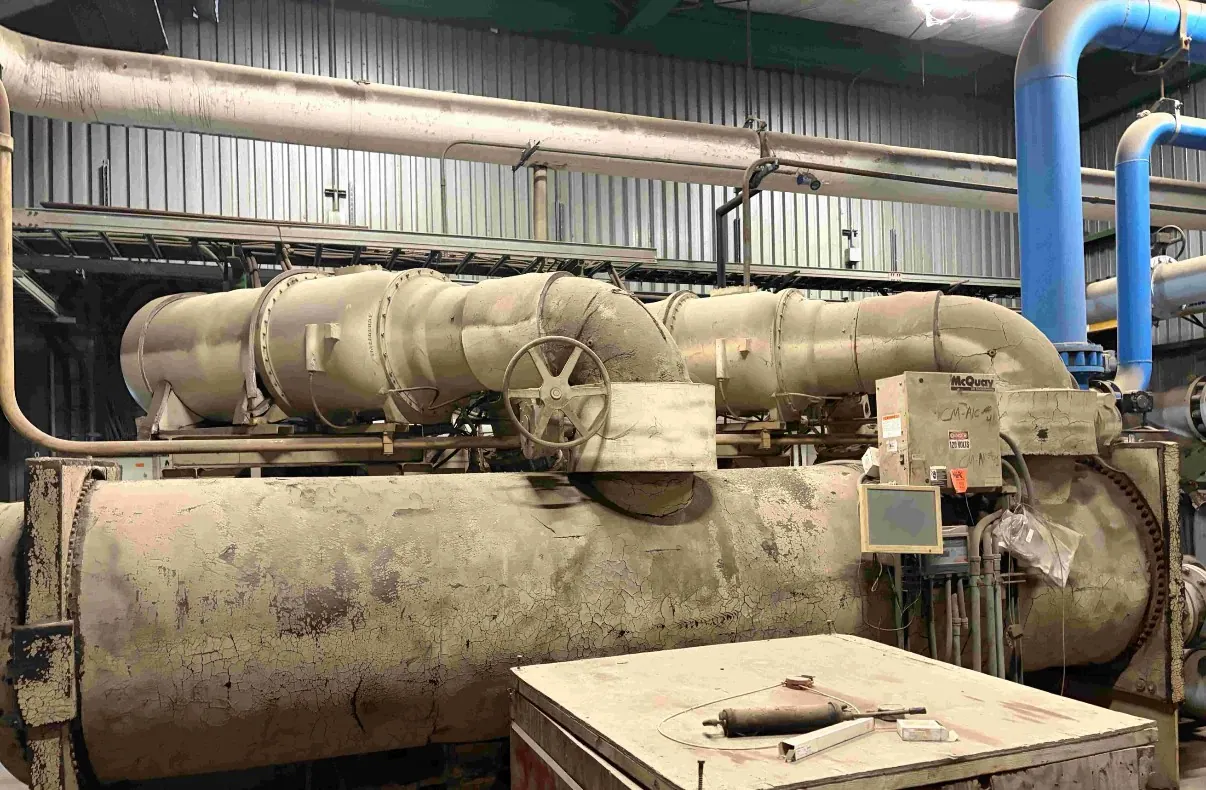
We buy York chillers in Texas for projects involving non-running equipment. We offer upfront payment, handle removal, and do not require seller testing.
From first photo to final haul, we take care of the details so you can move forward.
Share a nameplate photo, the location, and whatever you know about your equipment. No testing is required from you.
We review the chiller and your site information, then make an offer. Payment is upfront.
We handle disconnects, refrigerant recovery, crane and rigging, loading, freight and hauling.
Yes. We buy used industrial and commercial chillers, including York units that are idle, decommissioned, or not operating. A running demonstration is not a condition of review, and you do not need to restart, repair, or test the chiller to begin discussing a sale. An offer is subject to reviewing the specific equipment and removal project; not every unit will be purchased.
“Non-running” can mean anything from a unit that has been shut down to equipment with known mechanical damage or missing components. Tell us which description fits as far as you know. If the cause of the shutdown is uncertain, say so rather than trying to diagnose it for the offer. We can consider the equipment without treating an unknown fault as a confirmed repair.
We consider water-cooled and air-cooled chillers, including centrifugal, screw, and scroll designs. Typical capacity considerations range from about 20 tons to 2,000 tons or more. A cooling ton measures capacity, not the machine’s weight, so capacity alone does not establish how the unit can be lifted or transported.
We consider all refrigerants. The nameplate is useful for identifying the original or specified configuration, but it may not confirm what is currently in the system, particularly if equipment was modified or serviced. Share what records you have and flag anything uncertain. Do not vent refrigerant or open the circuit to check it.
Start with the information already available: a clear nameplate photo, the model and serial number if readable, approximate capacity, and whether the chiller is installed, disconnected, or in storage. Current photos of the whole machine help distinguish the offered unit from nearby equipment. Include accessories only if they are part of the proposed sale, and identify pumps, controls, piping, or other items that must remain.
A brief description of known operating history, visible damage, missing parts, and any prior modifications can help set a realistic scope. If records conflict with the label, send both and explain the discrepancy. You do not need to create drawings or arrange an inspection before asking us to review the information.
An offer depends on the asset and the actual project review. Identification, capacity, condition, included components, refrigerant considerations, and the work needed to remove and haul the chiller can all matter. A York label or a stated tonnage does not by itself establish value, and no amount is guaranteed before the equipment and scope are reviewed.
If we agree to purchase the unit, payment is made upfront before pickup on terms agreed in advance. Before work is scheduled, confirm the amount, payment arrangement, who is authorized to sell, and exactly which equipment is included. That agreement gives the site representative and removal team a clear handoff point.
We coordinate and handle appropriate refrigerant recovery with qualified personnel, along with disconnects, rigging, crane work when needed, loading, freight, and hauling. The seller does not have to test the unit, perform recovery, hire a crane company, or arrange a hauler. The appropriate sequence and equipment depend on the actual installation and access route.
Removal planning may need to account for door and ceiling clearances, nearby operating equipment, utility connections, floor or ground conditions, lifting access, security procedures, and approved work hours. These are site-specific questions, not presumed problems. If you know of a narrow route, shared dock, overhead obstruction, or restriction on work timing, mention it early so the plan can reflect it.
The buyer is responsible for the equipment work and its coordination. The seller or site supplies accurate information, authorized access, applicable site rules, and necessary approvals. A designated contact should be able to identify the chiller, clarify what may be removed, explain relevant operating limits, and coordinate access for the agreed work.
If the unit sits in a central plant or mechanical room, explain whether other equipment shares nearby piping, utilities, controls, or a route out. Photographs of the room and likely exit path can help, but the site contact remains important for confirming boundaries and permissions. Do not disconnect shared systems or prepare the chiller by opening its refrigerant circuit.
Gather the nameplate photo, overall equipment photos, known condition and history, a list of included items, and a short account of the access route. Send what you can confirm and label unknowns plainly. We can review the York chiller and the removal scope, then discuss whether a purchase and agreed pickup plan are appropriate. There is no need to get the machine running first.

Air-cooled or water-cooled. Centrifugal, screw or scroll. From single units to large shutdown projects, we buy industrial chillers across Texas.
Send us your chiller details and nameplate photos for a cash offer. Don’t worry if you don’t know every specification—we can start with what you have.
Call or text(614) 715-3047TEXT NAMEPLATE PHOTOS ↗Prefer email?
saleselectricalbuyers@gmail.com