
SEND THE DETAILS
Share a nameplate photo, the location, and whatever you know about your equipment. No testing is required from you.
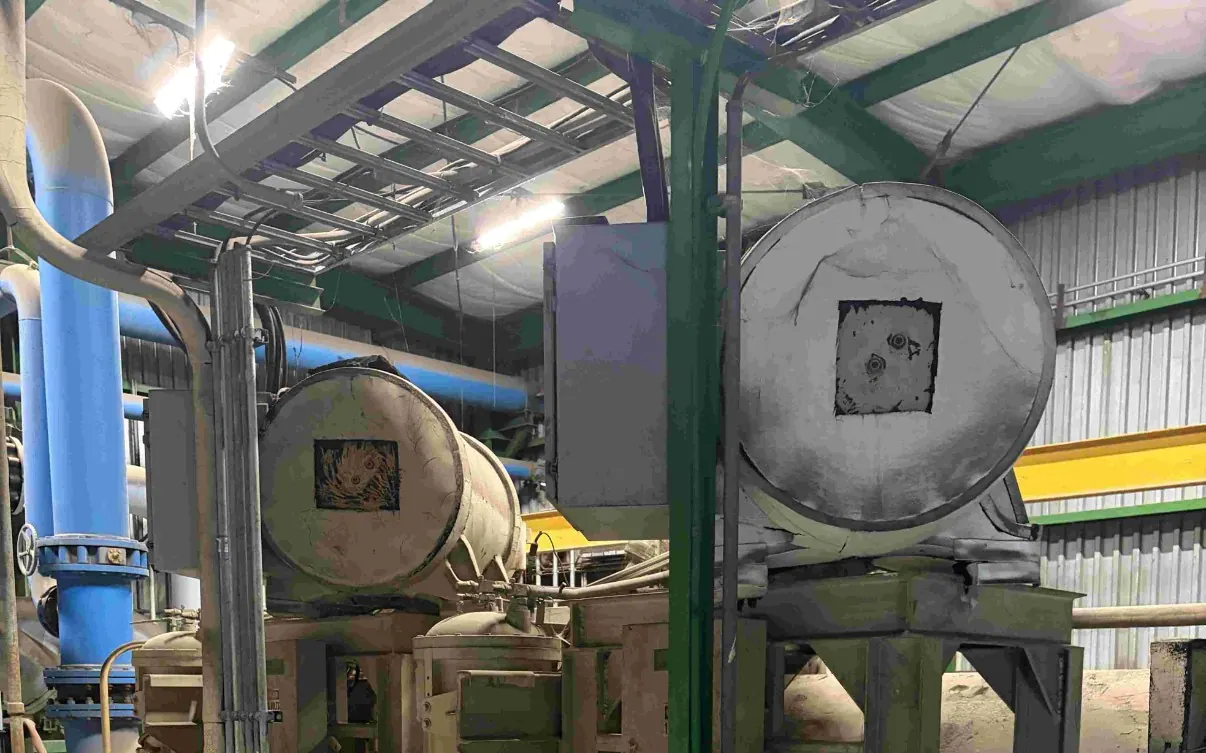
We buy chillers marked R-22 in Houston, Texas, with cash offers and upfront payment when a purchase is agreed. We handle removal, and the seller does not need to test the equipment.
From first photo to final haul, we take care of the details so you can move forward.
Share a nameplate photo, the location, and whatever you know about your equipment. No testing is required from you.
We review the chiller and your site information, then make an offer. Payment is upfront.
We handle disconnects, refrigerant recovery, crane and rigging, loading, freight and hauling.
Start by identifying the chiller you may sell and drawing a clear boundary around the proposed sale. A plant can contain several machines, pumps, piping, controls, or other equipment close together; proximity does not mean every item belongs in the same transaction. List what should be included and what must remain. If you are unsure whether an accessory is part of the chiller package, photograph it and mark its location for review rather than guessing.
For an R-22-marked chiller in Houston, the marking is a useful clue, not a complete account of the machine. A label may not establish what refrigerant is currently inside, particularly if the equipment has been altered or its service history is incomplete. Share what you know and clearly identify what you do not. Do not open the refrigerant circuit or vent refrigerant to prepare for a sale.
Gather the identification plate, refrigerant label, and clear photographs of the machine from several angles. Make, model, serial number, and stated capacity can help distinguish one unit from another. Cooling tons describe capacity, not the equipment’s physical weight, so they do not by themselves tell a rigger or hauler what lifting plan is suitable.
If available, include service records, notes about a refrigerant conversion, known faults, and whether the chiller is operating, idle, or non-running. You do not need to start it, test it, repair it, or restart it to request a review. Avoid presenting an uncertain detail as confirmed: a short note such as “current refrigerant unknown” is more helpful than an unsupported assumption.
Removal planning depends on the actual route from the chiller to the pickup point. Explain whether the equipment is indoors, outdoors, elevated, or in a restricted area. Photos of entrances, corridors, nearby obstructions, and the loading area can show details that a nameplate cannot. If access involves stairs, tight turns, limited headroom, security procedures, or a restricted work window, mention those conditions if you know them.
Conditions vary from one Houston-area property to another, so the plan should be based on the specific site rather than a presumed building type. A unit beside operating equipment may require careful boundaries and coordination. A roof location may call for a lift plan and suitable access arrangements. The authorized site contact can identify rules, approvals, timing limits, and areas that must remain clear.
We buy used water-cooled and air-cooled industrial or commercial chillers, including centrifugal, screw, and scroll equipment, generally from 20 to more than 2,000 cooling tons. All refrigerants are considered, and idle or non-running units may also be reviewed. An R-22 marking does not, on its own, establish whether a purchase will be offered; the equipment and proposed work need to be reviewed together.
A cash offer depends on the asset and the actual project review, including the equipment information, included items, condition as reported, and removal requirements. An offer is not guaranteed. Before agreeing, make sure the proposed sale identifies the chiller and accessories covered, the payment terms, and the planned pickup scope. If a purchase is agreed, payment is made upfront before pickup under the terms confirmed with the seller.
You do not need to hire a separate recovery contractor, crane company, or hauler as a condition of asking us to review the chiller. If a purchase proceeds, we arrange appropriate refrigerant recovery with qualified personnel and coordinate necessary disconnects, rigging, crane work when needed, loading, freight, and hauling. The method depends on the equipment and conditions at the site; not every chiller requires the same resources.
The seller or site representative supplies accurate information, authorized access, applicable site rules, and necessary approvals. That handoff helps establish how the work can proceed and which boundaries matter. Do not disconnect equipment or attempt recovery unless the responsible parties have specifically arranged and authorized that work. The equipment work is handled by the buyer’s coordinated team.
Send the information already available: the equipment markings and identification plate, overall and access photographs, known condition, and a list of what should be included in the sale. Add the chiller’s location within the property and any access limits known to the authorized contact. If a detail is missing, say so; do not delay just to produce a test result or reconstruct an uncertain service history.
With those details, the proposed equipment and removal requirements can be reviewed before anyone commits to a pickup. Confirm who is authorized to discuss the asset and approve access, then keep that person involved as the scope is clarified. A purchase, payment terms, and removal plan should be agreed before pickup is scheduled.

Air-cooled or water-cooled. Centrifugal, screw or scroll. From single units to large shutdown projects, we buy industrial chillers across Texas.
Send us your chiller details and nameplate photos for a cash offer. Don’t worry if you don’t know every specification—we can start with what you have.
Call or text(614) 715-3047TEXT NAMEPLATE PHOTOS ↗Prefer email?
saleselectricalbuyers@gmail.com