
SEND THE DETAILS
Share a nameplate photo, the location, and whatever you know about your equipment. No testing is required from you.
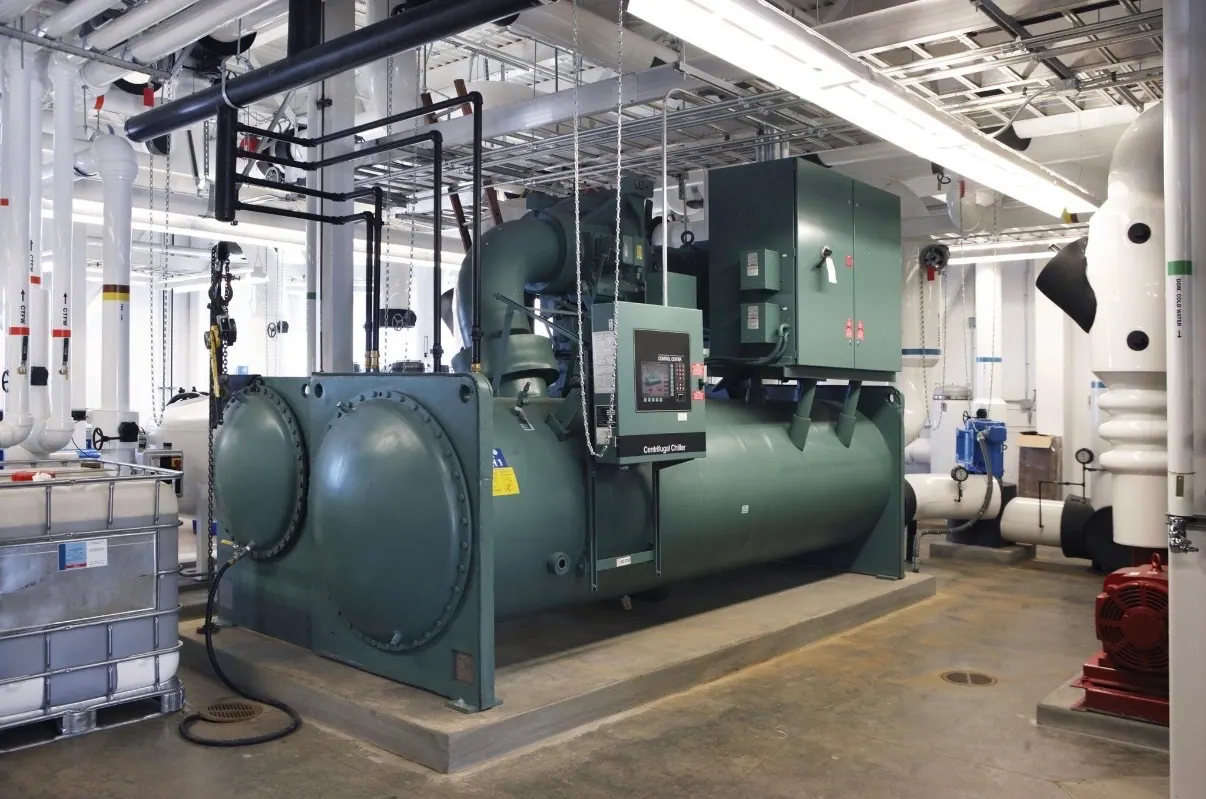
We buy data center chillers in Corpus Christi, Texas, with cash offers and upfront payment when a purchase is agreed. We handle removal, and the seller does not need to test the equipment.
From first photo to final haul, we take care of the details so you can move forward.
Share a nameplate photo, the location, and whatever you know about your equipment. No testing is required from you.
We review the chiller and your site information, then make an offer. Payment is upfront.
We handle disconnects, refrigerant recovery, crane and rigging, loading, freight and hauling.
Retiring a data center chiller can be only one part of a larger cooling changeover. The first question is which machine is actually available for sale, and when the site can release it. We buy used data center chillers in Corpus Christi, including water-cooled and air-cooled equipment, and consider centrifugal, screw, and scroll units. Idle and non-running machines can also be reviewed. You do not need to restart, test, repair, or commission a unit to begin.
Send whatever identification you can read from the nameplate, along with the manufacturer and model if known, approximate capacity, refrigerant information if available, and a few clear photographs. A cooling ton describes capacity, not the machine’s weight, so avoid using tonnage as a lifting figure. If records are incomplete, say what is confirmed and what is uncertain rather than estimating.
Data center plant rooms can contain equipment that looks connected but is not part of the sale. Identify the chiller being offered and note whether associated components are included or must remain. If the machine shares piping, electrical connections, controls, or access space with operating systems, flag that early. The facility’s authorized contact can help define the equipment boundary without interrupting systems that remain in service.
Describe the known condition plainly: operating, idle, decommissioned, incomplete, or non-running. Mention missing parts, prior removal work, visible damage, or relevant service history when you know it. A full maintenance file is helpful but not necessary for an initial review. The current charge, internal condition, and history cannot be assumed from age or appearance, and no one should open or vent the refrigerant circuit to gather information.
Once the equipment is identified, explain where it sits and how it could leave the property. Useful details include whether it is indoors or outdoors, floor level, door and corridor dimensions, overhead obstructions, loading access, and any known restrictions on floor loading. Photos of the chiller and the route are often more useful than a general description. If measurements or structural limits are unavailable, mark them as unknown.
Corpus Christi equipment may be exposed to outdoor conditions; where salt air or weather exposure is relevant, it can affect visible metal and lifting points. That does not determine the lifting plan by itself. The actual machine, condition, clearances, and access need review before appropriate rigging or crane work can be arranged. A difficult route is a planning detail, not a reason to move the chiller yourself.
For an active data center, the collection window may need to align with change control, security procedures, escorts, permits, and limits on work near operating equipment. Tell us which areas must remain available and who has authority to approve access and coordinate site work. If a replacement is being installed, share the expected handoff window so removal can be planned around the outgoing unit’s release.
We coordinate appropriate refrigerant recovery with qualified personnel, along with equipment disconnects, rigging, crane work when needed, loading, freight, and hauling. The work sequence depends on the chiller and the site’s rules. The seller or site contact supplies accurate information, authorized access, necessary approvals, and applicable site requirements; the buyer is responsible for the equipment work. Do not vent refrigerant or hire a separate recovery crew, crane, or hauler on our behalf.
After reviewing the available equipment details and collection scope, we can discuss whether to make an offer. A cash offer is specific to the asset and the actual project review; it is not guaranteed simply because a unit falls within a certain capacity range or is described as surplus. Configuration, condition, included components, refrigerant information, and removal requirements can all affect the decision.
Before agreeing, confirm which equipment is included, the collection responsibilities, access arrangements, timing, and payment terms with the person authorized to sell. If a purchase is agreed, payment is made upfront before pickup on the agreed terms. Do not release the chiller based on an assumed amount or a collection plan that has not been confirmed.
A concise starting package can include the nameplate or visible identification, photographs, known operating status, location within the facility, and a short description of the exit route. Add the likely release window and the name or role of the person who can coordinate access. You can still begin if some details are missing: identify the unknowns, and they can be clarified during review. No test, repair, refrigerant handling, or advance equipment removal is required just to ask whether the chiller may be considered.

Air-cooled or water-cooled. Centrifugal, screw or scroll. From single units to large shutdown projects, we buy industrial chillers across Texas.
Send us your chiller details and nameplate photos for a cash offer. Don’t worry if you don’t know every specification—we can start with what you have.
Call or text(614) 715-3047TEXT NAMEPLATE PHOTOS ↗Prefer email?
saleselectricalbuyers@gmail.com