
SEND THE DETAILS
Share a nameplate photo, the location, and whatever you know about your equipment. No testing is required from you.
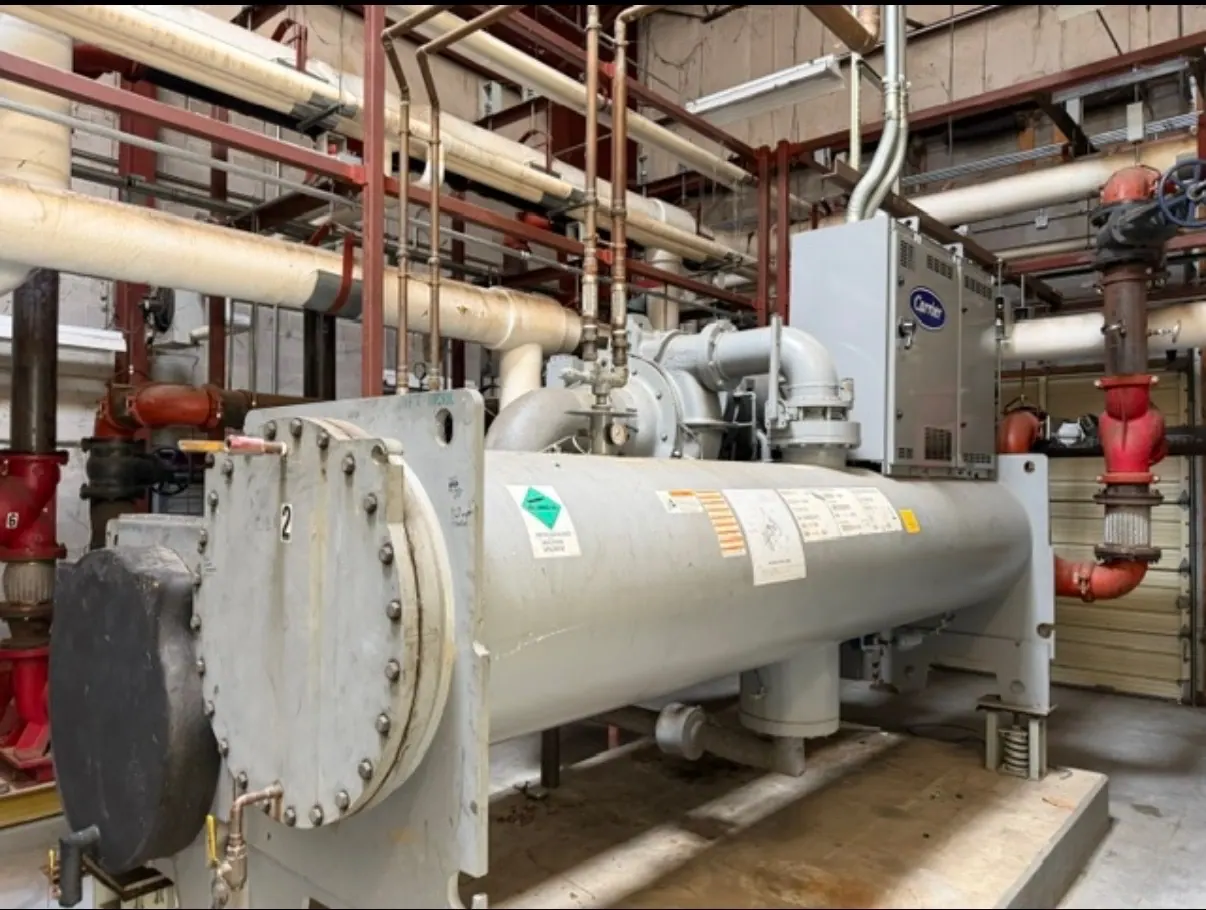
We buy Aaon chillers in Lubbock, Texas, with cash offers and upfront payment when a purchase is agreed. We handle removal, and the seller does not need to test the equipment.
From first photo to final haul, we take care of the details so you can move forward.
Share a nameplate photo, the location, and whatever you know about your equipment. No testing is required from you.
We review the chiller and your site information, then make an offer. Payment is upfront.
We handle disconnects, refrigerant recovery, crane and rigging, loading, freight and hauling.
Before discussing removal, decide which Aaon chiller is being offered and what belongs with it. A facility may have more than one cooling unit, or a chiller may sit beside pumps, piping, electrical gear, or controls that are staying in service. Mark the equipment included in the proposed sale and identify nearby items that must remain. Clear boundaries help prevent confusion during review and pickup.
Accessories can affect the scope, so list items such as control panels, starters, variable-frequency drives, or pumps only if they are actually included. If you are unsure whether a component is part of the chiller assembly, show it in a photo and describe where it connects. Avoid assuming that connected equipment transfers with the chiller.
Share the information available from the equipment plate: model and serial numbers, listed capacity, electrical details, and refrigerant type if shown. Overall photographs are useful alongside close views of labels, connections, and the surrounding installation. If the plate is unreadable or missing, say so; do not guess at specifications.
Include a straightforward description of known condition and history. Note whether the unit is operating, idle, incomplete, or known not to run, and mention visible damage or prior changes if you know about them. We consider idle and non-running equipment, and you do not need to start, test, repair, or restart the chiller to request a review. A cooling-ton rating describes capacity, not the machine’s shipping weight.
For a Lubbock-area project, the collection point matters as much as the unit itself. Explain whether the chiller is indoors, outdoors, on a roof, or in another location, then describe the route toward a loading area. Photos can show doors, stairs, gates, overhead limits, nearby structures, and space for staging. The actual site—not a general assumption about the area—determines what access and lifting plan may be needed.
Let us know about appointment requirements, escorts, operating hours, site rules, and any approvals needed before work starts. If the chiller is beside systems that must stay on, identify the boundary and explain what cannot be disturbed. An authorized site contact should be able to confirm access and permitted work windows. These details help shape a removal plan around the property’s real constraints.
Describe what is known about electrical and mechanical connections, but do not open a refrigerant circuit or release refrigerant. The equipment configuration and current charge are not established until the unit is reviewed. If utilities are still connected, say so; the seller is not expected to perform the disconnects or arrange a separate recovery contractor as a condition of asking about a sale.
If a purchase is agreed, we coordinate appropriate refrigerant recovery with qualified personnel and handle the required disconnects. The work sequence depends on the machine and site conditions. Share any facility procedures or approval requirements with the site contact so those can be considered when the work is planned.
A cash offer is based on review of the specific asset and the work required to collect it. Identification, condition, included components, access, rigging needs, and freight all help define the project. We consider water-cooled and air-cooled chillers, including centrifugal, screw, and scroll equipment, generally from 20 to 2,000-plus cooling tons, and consider all refrigerants. That range is not a promise to purchase any particular unit.
Capacity alone does not establish value, and an older or non-running chiller is not automatically excluded. The offer depends on the asset and actual project review; it is not guaranteed before that review. If both sides agree to a purchase, payment is made upfront before pickup on the agreed terms. Confirm which chiller and accessories those terms cover before removal is scheduled.
We arrange and handle appropriate recovery, disconnects, rigging, crane work when needed, loading, freight, and hauling. You do not need to test, run, repair, restart, or deliver the equipment. The seller or site representative supplies accurate information, authorized access, applicable site rules, and necessary approvals. If the location has restrictions on staging, vehicle access, lifting, or work hours, raise them early.
To begin, gather the equipment identification you have, a few clear photographs, a known-condition summary, and the best available description of access. Identify who is authorized to discuss the sale and who can answer site questions. With those details, the equipment and removal scope can be reviewed before any commitment is made.

Air-cooled or water-cooled. Centrifugal, screw or scroll. From single units to large shutdown projects, we buy industrial chillers across Texas.
Send us your chiller details and nameplate photos for a cash offer. Don’t worry if you don’t know every specification—we can start with what you have.
Call or text(614) 715-3047TEXT NAMEPLATE PHOTOS ↗Prefer email?
saleselectricalbuyers@gmail.com