
SEND THE DETAILS
Share a nameplate photo, the location, and whatever you know about your equipment. No testing is required from you.
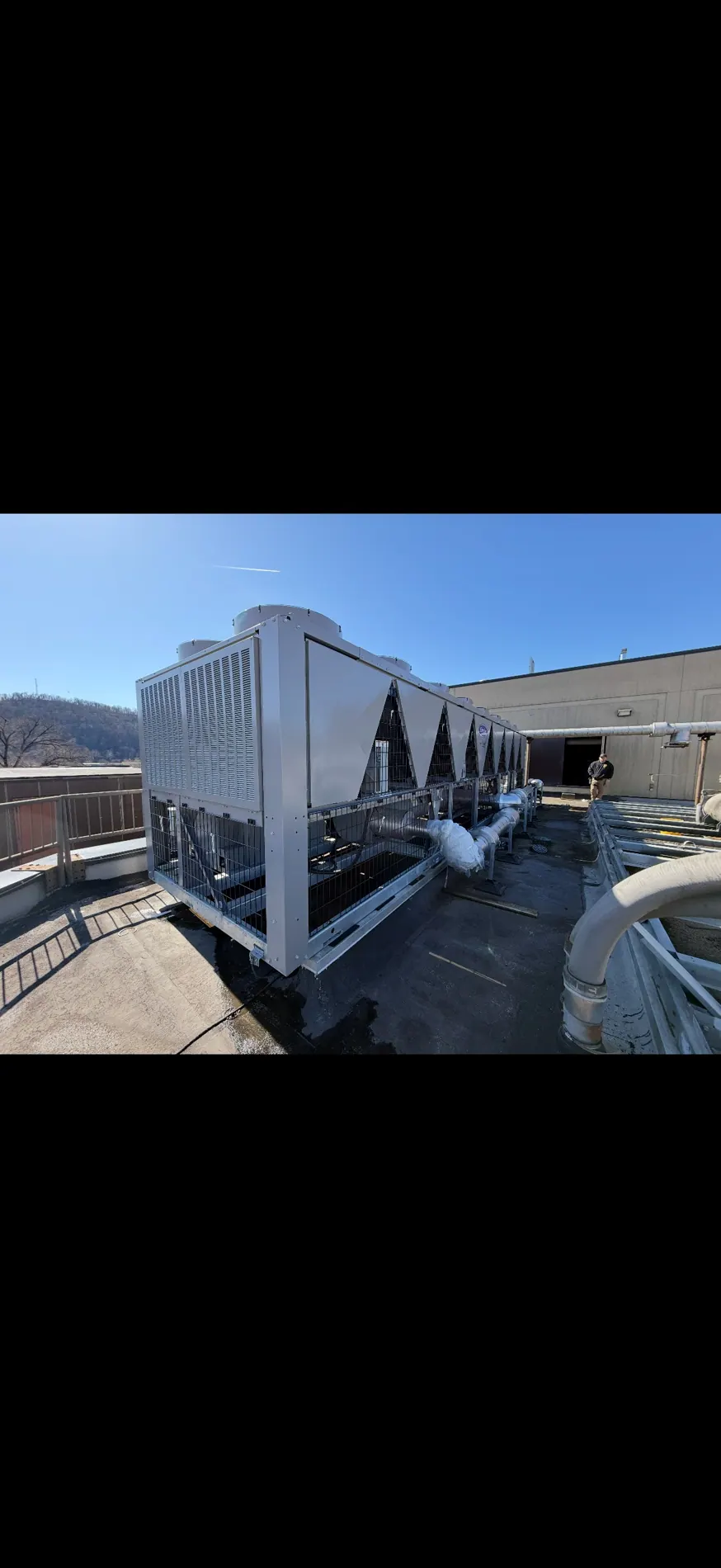
We buy 250 to 499 ton chillers in Houston, Texas, with cash offers and upfront payment when a purchase is agreed. We handle removal, and the seller does not need to test the equipment.
From first photo to final haul, we take care of the details so you can move forward.
Share a nameplate photo, the location, and whatever you know about your equipment. No testing is required from you.
We review the chiller and your site information, then make an offer. Payment is upfront.
We handle disconnects, refrigerant recovery, crane and rigging, loading, freight and hauling.
Taking a 250–499 ton chiller out of service is only one part of a facility change. The asset has to be identified, its boundary kept clear of equipment that stays, and its eventual removal fitted around site access and other work. We buy used chillers in this capacity range in Houston, Texas, and can review idle or non-running units. You do not need to restart, test, repair, or disconnect the chiller to ask us to consider it.
For an initial review, describe the chiller as it sits today: what identification is legible, what you know about its condition, and which parts or controls are included. A photo of the nameplate and a few safe, current views of the whole unit and its surroundings can help. If records are incomplete, say so rather than filling gaps with estimates.
Capacity helps place the machine in the right range, but a cooling ton is a measure of cooling capacity—not the machine’s weight. Do not use the tonnage to estimate a lift. If known, share dimensions or documented weight separately; the physical characteristics needed for removal are confirmed during review.
Large chillers may sit among equipment, piping, controls, or electrical services that are not part of the sale. Mark what is being offered and identify anything nearby that must remain undisturbed. A facility representative authorized to coordinate access can clarify the intended boundary and any site approvals or work rules.
If the chiller is part of a plant replacement or other scheduled change, tell us what timing is anticipated and whether the unit is still connected. That context helps frame the review without requiring you to change the project sequence. We can discuss removal coordination once the equipment and proposed scope have been reviewed.
Removal planning follows the route from the chiller to a place where it can be loaded—not simply the route into the room. Note, from a safe vantage point, relevant doors, turns, stairs, roof access, overhead limits, outdoor travel, and the anticipated loading area. Mention known restrictions on vehicle access, work hours, or shared routes. Whether any of these affect a Houston-area site depends on its actual layout and rules.
Photos that show the approach can be more useful than a general description alone. Do not enter restricted areas or move panels or guards to take them. If access details are uncertain, identify who can confirm them; a site-specific assessment determines the workable route and any necessary rigging or crane arrangements.
A unit that has been out of service, stored, or left non-running is not automatically excluded from consideration. Tell us what is known about its operating history, current status, visible damage, missing components, or loose parts, and distinguish confirmed facts from unknowns. Current photographs can document condition without a startup.
We consider centrifugal, screw, and scroll chillers, along with different refrigerants. The chiller’s type, available information, condition, included equipment, and removal requirements all matter to an actual project review. A review is not a promise to buy; any offer depends on the asset and the project scope.
Do not vent refrigerant, open a refrigerant circuit, or run the machine to prepare it for an offer. If a purchase is agreed, we arrange and handle appropriate refrigerant recovery with qualified personnel and coordinate the necessary disconnects. The exact work depends on the chiller and the site’s procedures.
We handle the equipment work, including rigging, crane work when needed, loading, freight, and hauling. The seller or site is responsible for accurate information, authorized access, site rules, and necessary approvals. Before work proceeds, the authorized contact and our team can confirm the scope, boundaries, and timing against the actual site requirements.
A cash offer is considered only after review; there is no assumed price per ton or guaranteed purchase. If both sides agree to a purchase, payment is made upfront before pickup, on the agreed terms. Confirm in advance which equipment is included, who can authorize the sale, and what pickup arrangements have been approved.
To begin, gather whatever is available: a nameplate image, overall and access-route photos, known condition and refrigerant information, a list of included components, and the anticipated availability date. Add any access limits and the name or role of the person authorized to coordinate at the site. Missing details need not be guessed; noting what remains unknown makes the review more practical.
With that information, we can assess whether the 250–499 ton chiller and its removal scope merit an offer. You do not need to test, repair, restart, recover refrigerant, or arrange lifting before asking us to review it.

Air-cooled or water-cooled. Centrifugal, screw or scroll. From single units to large shutdown projects, we buy industrial chillers across Texas.
Send us your chiller details and nameplate photos for a cash offer. Don’t worry if you don’t know every specification—we can start with what you have.
Call or text(614) 715-3047TEXT NAMEPLATE PHOTOS ↗Prefer email?
saleselectricalbuyers@gmail.com