
SEND THE DETAILS
Share a nameplate photo, the location, and whatever you know about your equipment. No testing is required from you.
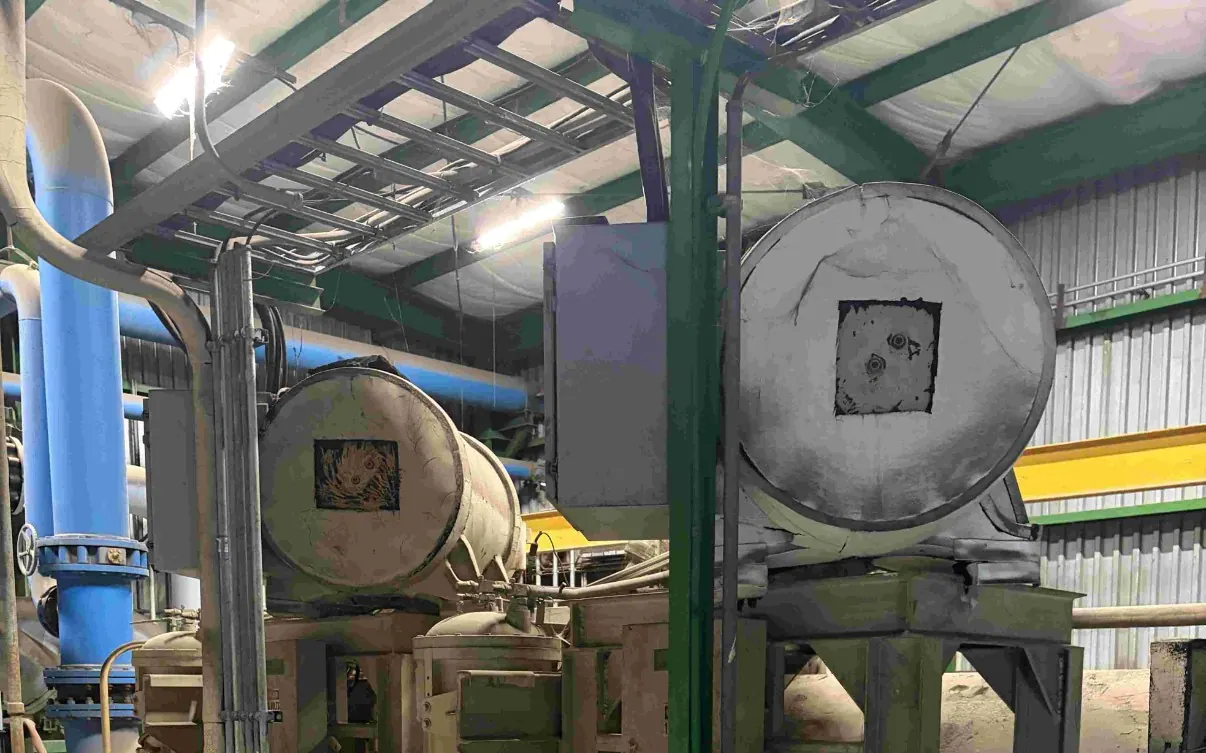
We buy 1,000 to 1,999 ton chillers in Beaumont, Texas, with cash offers and upfront payment when a purchase is agreed. We handle removal, and the seller does not need to test the equipment.
From first photo to final haul, we take care of the details so you can move forward.
Share a nameplate photo, the location, and whatever you know about your equipment. No testing is required from you.
We review the chiller and your site information, then make an offer. Payment is upfront.
We handle disconnects, refrigerant recovery, crane and rigging, loading, freight and hauling.
A 1,000–1,999-ton chiller may be a substantial asset, but capacity alone does not establish its value or what it will take to remove. We review the specific machine, what is included, its condition as described, and the collection work required at the Beaumont, Texas site. A cash offer is considered only after that information is reviewed; it is not guaranteed, and no tonnage figure implies a particular price.
We buy used water-cooled and air-cooled industrial or commercial chillers, including centrifugal, screw, and scroll equipment, and consider all refrigerants. Idle or non-running units can be reviewed too. You do not need to restart, test, repair, or clean a chiller to request a review.
Begin with the nameplate or equipment identification, stated capacity, manufacturer and model if readable, and a few clear photographs. An overall view helps identify the configuration; close-ups may show labels, controls, connections, and visible damage. Include known history or condition concerns, and distinguish confirmed details from information you do not have.
Cooling tons measure capacity, not physical weight. If you have reliable equipment drawings or weight information, share them, but do not estimate weight from tonnage. The dimensions and verified handling characteristics matter when the removal plan is developed. Missing records or an unreadable label need not prevent an initial conversation; describe what you can and leave the rest uncertain.
For a large chiller, where it sits can affect the work as much as what it is. Tell us whether it is indoors or outdoors and, if known, its level and approximate route to a loading area. Photos of doors, corridors, overhead obstructions, stairs, ramps, access openings, and staging space can reveal constraints that a close-up of the machine cannot.
Depending on the actual installation, removal may involve a tight mechanical room, a roof opening, limited truck access, or a lift route shared with other operations. Structural limits, elevator capacity, and crane placement should not be guessed. If there are restrictions or measurements documented by the facility, pass them along so the work can be reviewed against the site rather than assumed.
List the chiller and any components you are offering with it, such as controls or associated pieces, and identify items that are excluded. If the unit has been disconnected, stored, partly dismantled, or left with loose components, explain what is known about its present state and where those parts are. For multiple units, identify each one separately so the proposed purchase and pickup scope are clear.
Current refrigerant charge, circuit condition, and equipment history may not be known from photographs. Do not open the refrigerant circuit or vent refrigerant to prepare for an offer. We arrange appropriate recovery with qualified personnel as part of the agreed work, based on the equipment and site conditions reviewed.
If a purchase is agreed, payment is made upfront before pickup on the agreed terms. The offer and terms relate to the equipment and scope actually reviewed; they are not a promise to buy every unit or component presented. Before work begins, the authorized seller and buyer should confirm what is included, payment arrangements, access, and pickup coordination.
We arrange and handle the equipment work, including appropriate refrigerant recovery, disconnects, rigging, crane work when needed, loading, freight, and hauling. The seller does not need to hire a separate recovery contractor, crane, or hauler. The owner or site contact supplies accurate information, authorized access, applicable site rules, and necessary approvals.
A large machine may be near operating equipment, piping, electrical services, or work areas that must remain undisturbed. If the facility has shutdown windows, escort requirements, permit procedures, restricted hours, or limits on staging and lifting, note them early. The details depend on the actual site; a removal plan should not assume that neighboring systems can be interrupted or that a particular route is available.
Identify who can authorize access and clarify any boundaries around the work area. If equipment must stay in service nearby, the site contact can explain its isolation rules and operational restrictions. These details help coordinate the removal without asking the seller to perform the equipment work.
Send the available identification, photographs, condition notes, included components, and a description of the chiller’s location and exit route. Mention any uncertain details plainly, along with known site restrictions and your expected timing. We can review the equipment and removal scope, then explain whether we can make an offer and what further information is needed. No test run, repair, restart, refrigerant handling, or preliminary disconnect is required from you.

Air-cooled or water-cooled. Centrifugal, screw or scroll. From single units to large shutdown projects, we buy industrial chillers across Texas.
Send us your chiller details and nameplate photos for a cash offer. Don’t worry if you don’t know every specification—we can start with what you have.
Call or text(614) 715-3047TEXT NAMEPLATE PHOTOS ↗Prefer email?
saleselectricalbuyers@gmail.com